Top Home & kitchen hooks.
Decoded, free, remixable.
Conversion analysis, hook breakdowns, and ICP insights for the highest-performing short-form videos in the home & kitchen space.
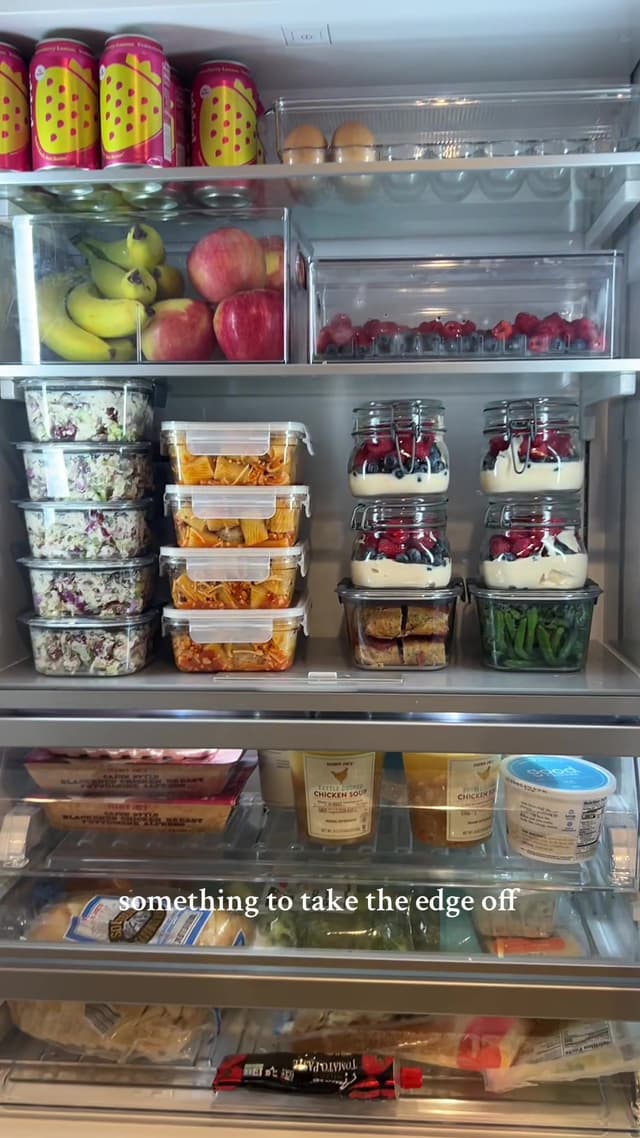
It doesn't convert directly because it lacks a CTA, but it drives high engagement through the 'aspirational lifestyle' trigger, which builds brand awareness.

It converts through 'problem-solution' alignment. By showing a common, annoying problem (water dripping) and a simple, low-cost solution, it triggers an immediate impulse to purchase.

This video doesn't convert directly to sales, but it builds massive brand awareness and 'hype' by showing the product is in high demand, which drives future conversion through social validation.

It converts by selling an identity rather than a product. Viewers 'buy' into the lifestyle Nara represents, which builds long-term brand loyalty.
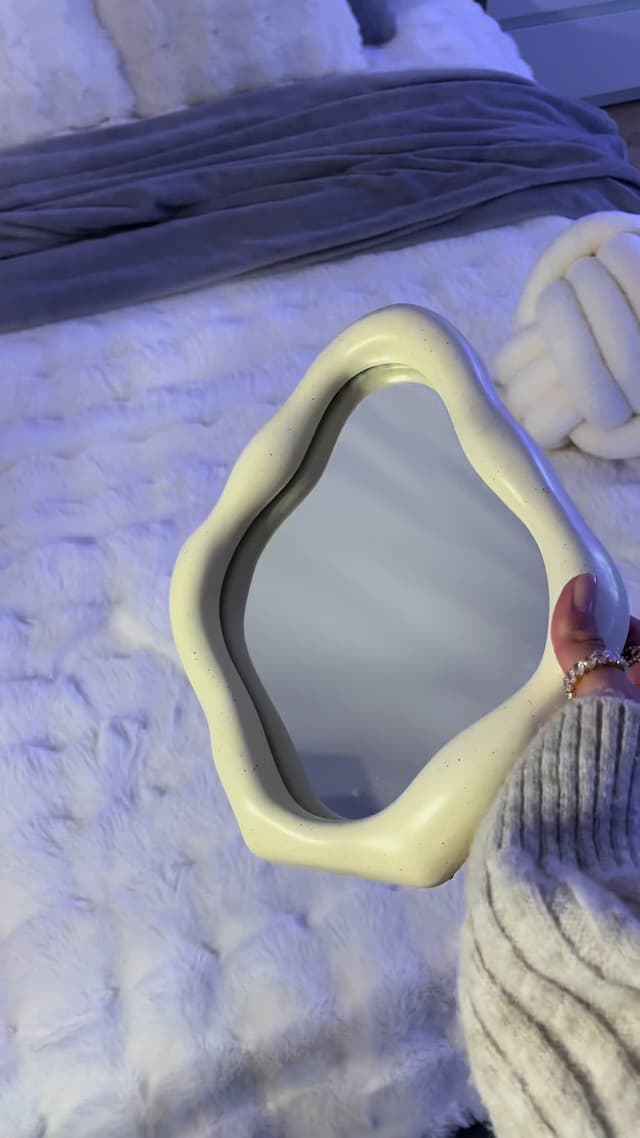
It likely drives high engagement due to the aesthetic appeal, but conversion is low because the creator makes it difficult for the viewer to find the products. It relies on the 'desire' trigger but fails to capitalize on it with a clear conversion path.
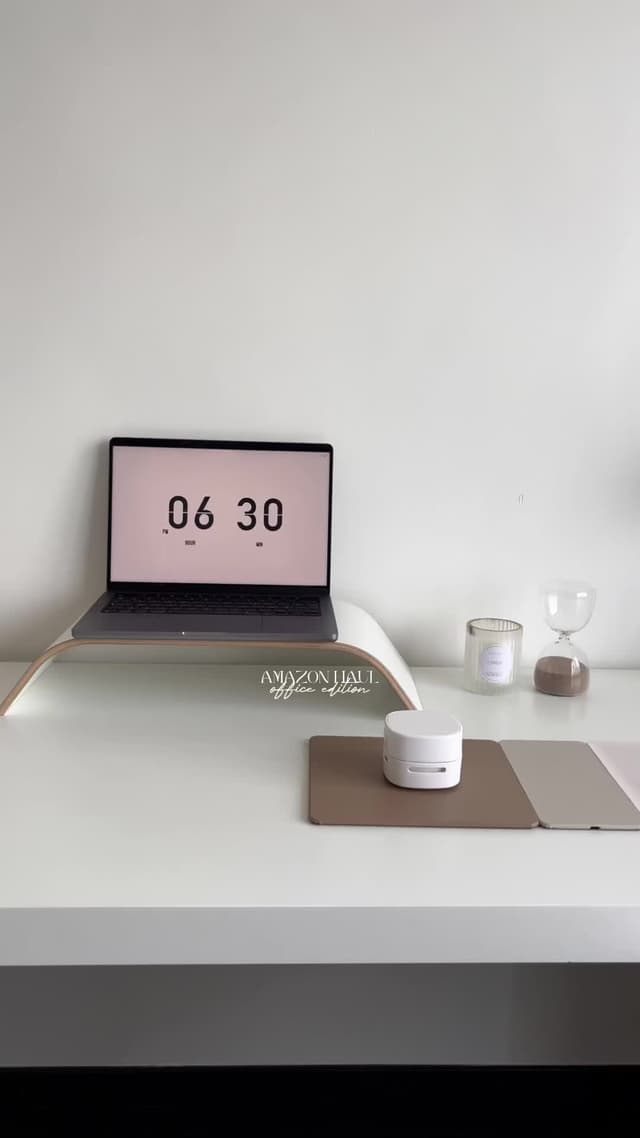
It converts through visual desire and the 'aesthetic' lifestyle appeal. Viewers want to replicate the creator's workspace, and the low-friction 'link in bio' CTA makes it easy to act on that impulse.
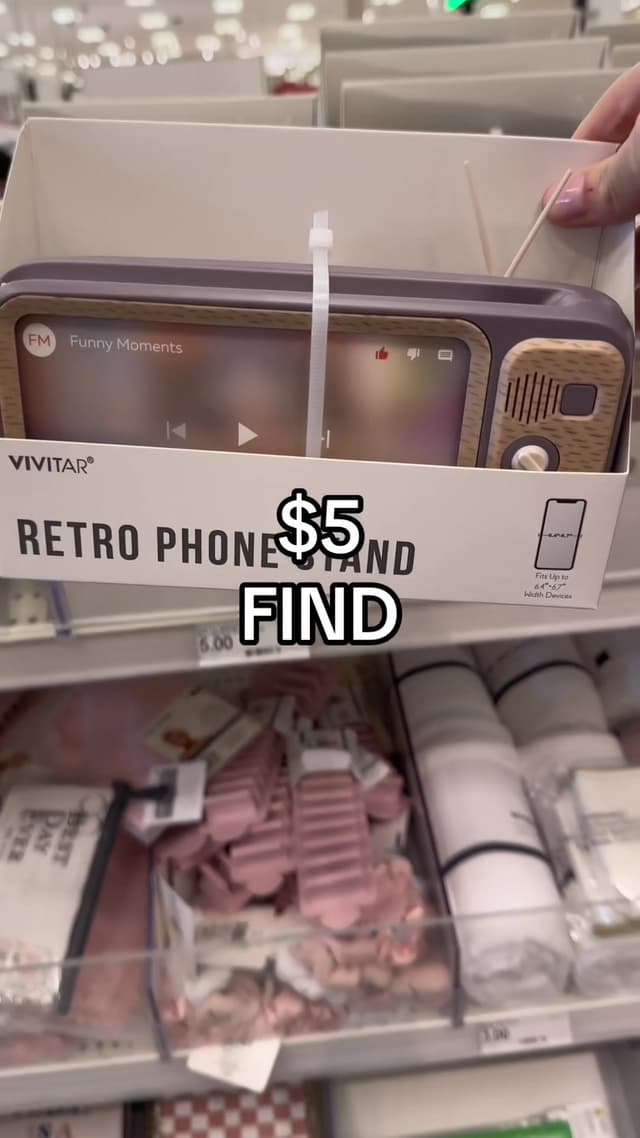
It converts because it hits the 'affordable luxury' sweet spot for Target shoppers. The low price point removes the friction of purchase, and the aesthetic appeal creates immediate desire.

It doesn't convert because there is no product link or CTA. It drives high engagement through curiosity, but fails to move the viewer down the funnel.
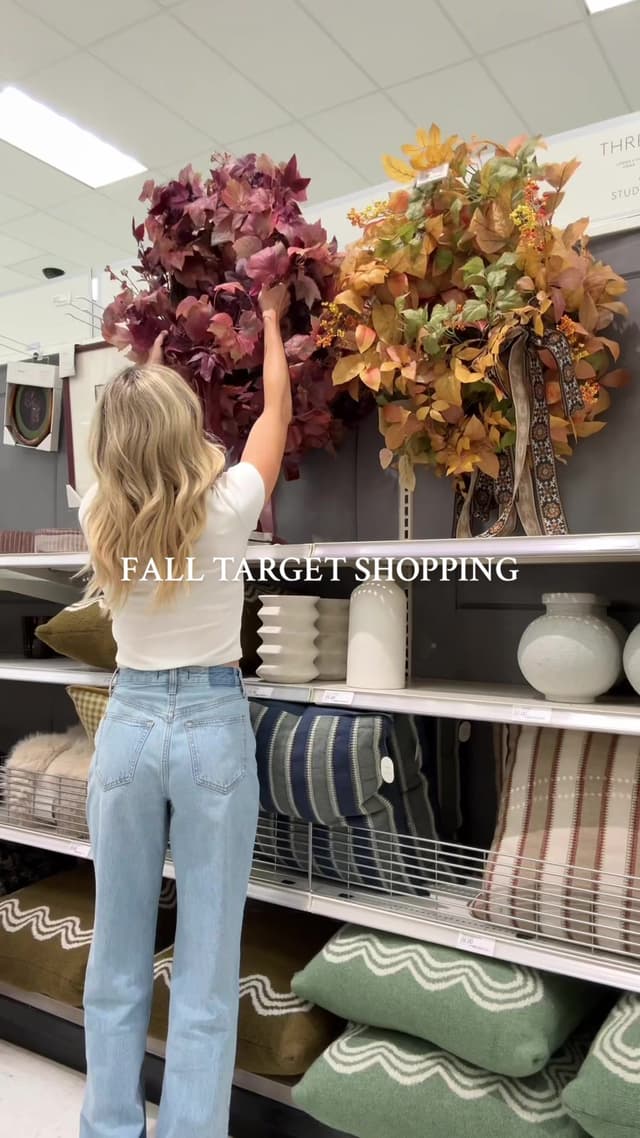
It likely drives 'store traffic' rather than direct online conversion because it creates a 'Target run' impulse. The psychological mechanism is 'seasonal FOMO'—the desire to participate in the current trend.

It doesn't convert to a product sale, but it converts to high engagement (saves/shares) because it solves a universal, low-stakes problem with a 'lazy' solution that feels like a life hack.
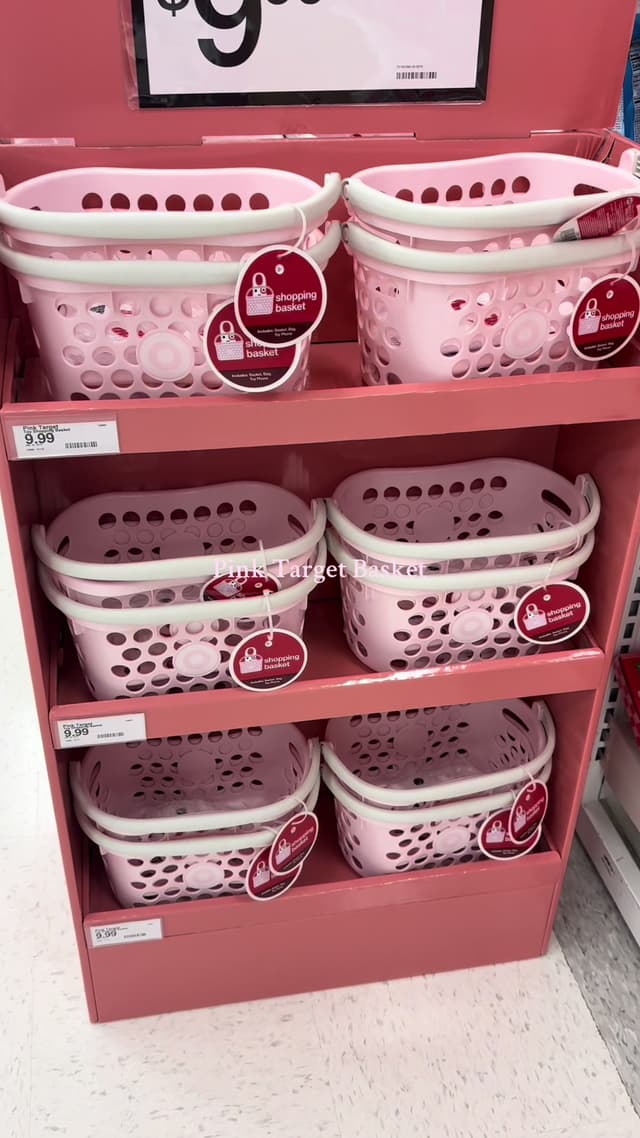
It converts through 'desire' and 'novelty'. The product is visually pleasing and fits a specific trend, making viewers want to own it for the aesthetic value alone.
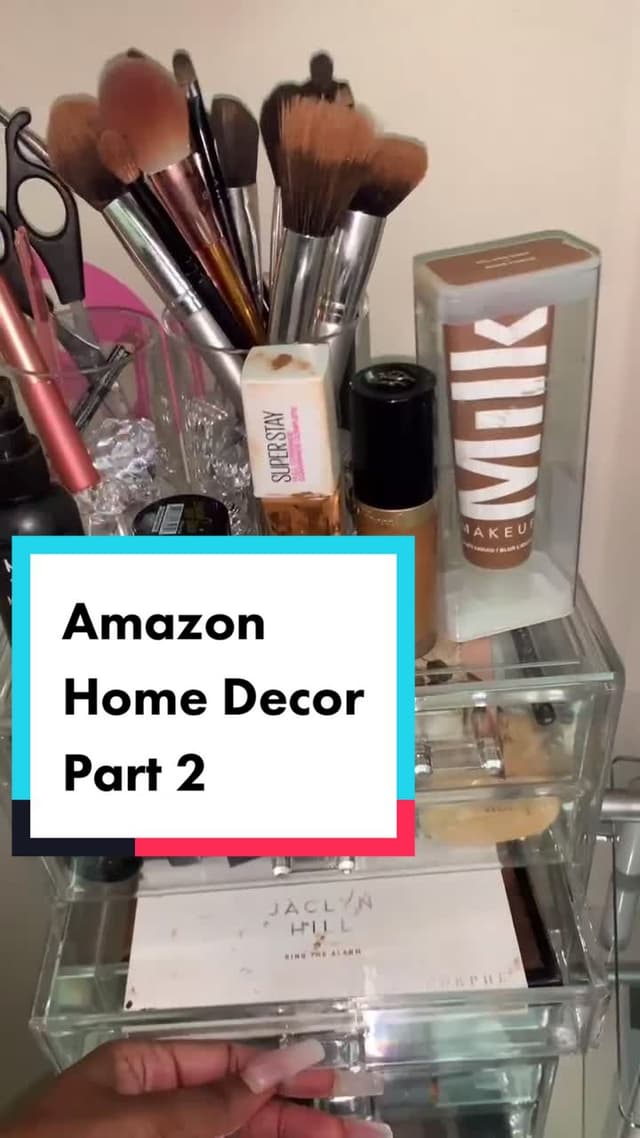
It converts through visual desire and the 'Amazon find' trend, which triggers impulsive shopping behavior in the target demographic.
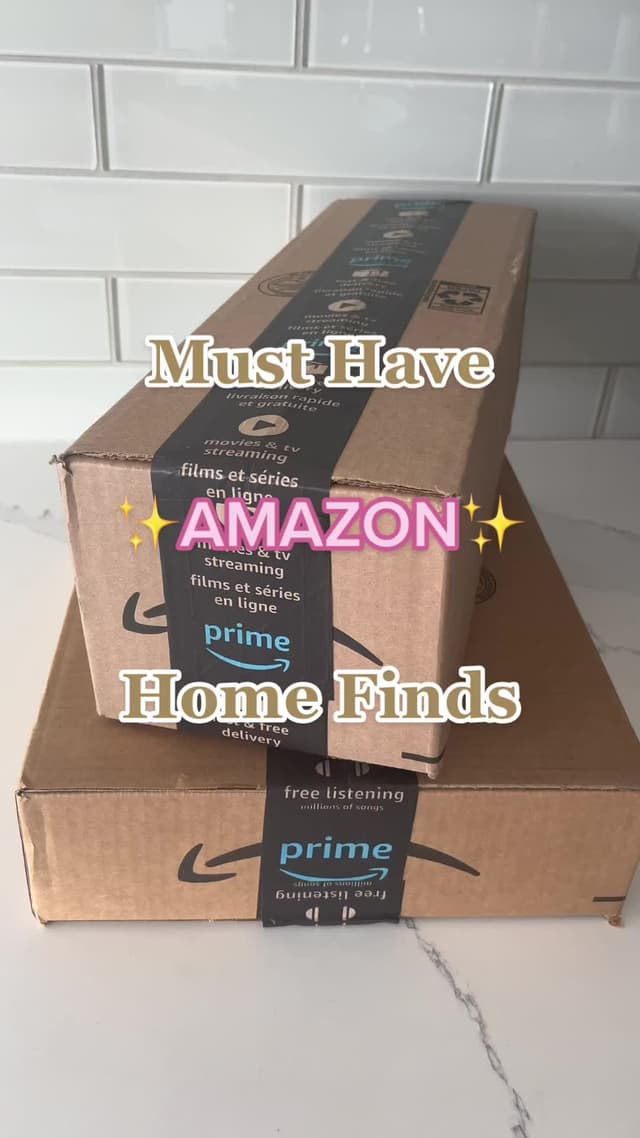
It converts by addressing specific pain points (battery life, installation) and offering a clear, simple solution.
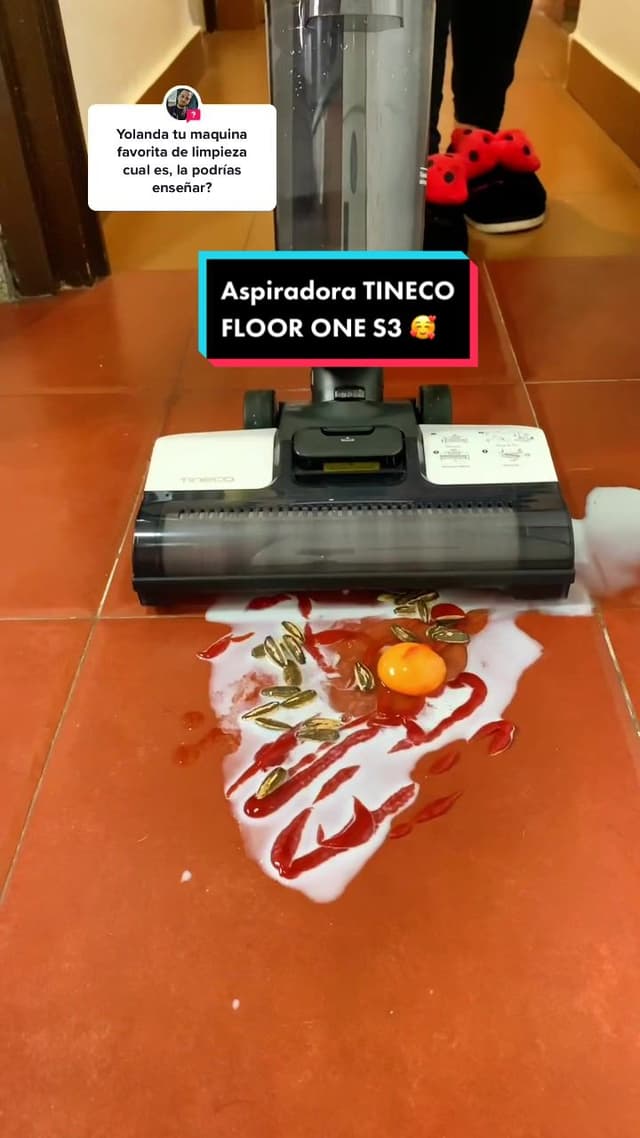
It converts because it provides visual proof of a high-value problem (cleaning up a mess) being solved instantly, triggering a 'need' response in the viewer.

It converts by leveraging the 'clean girl' aesthetic, which triggers a strong identity-based desire in the target audience. The rapid-fire unboxing keeps the viewer watching, and the 'link in bio' is a low-friction path to purchase.
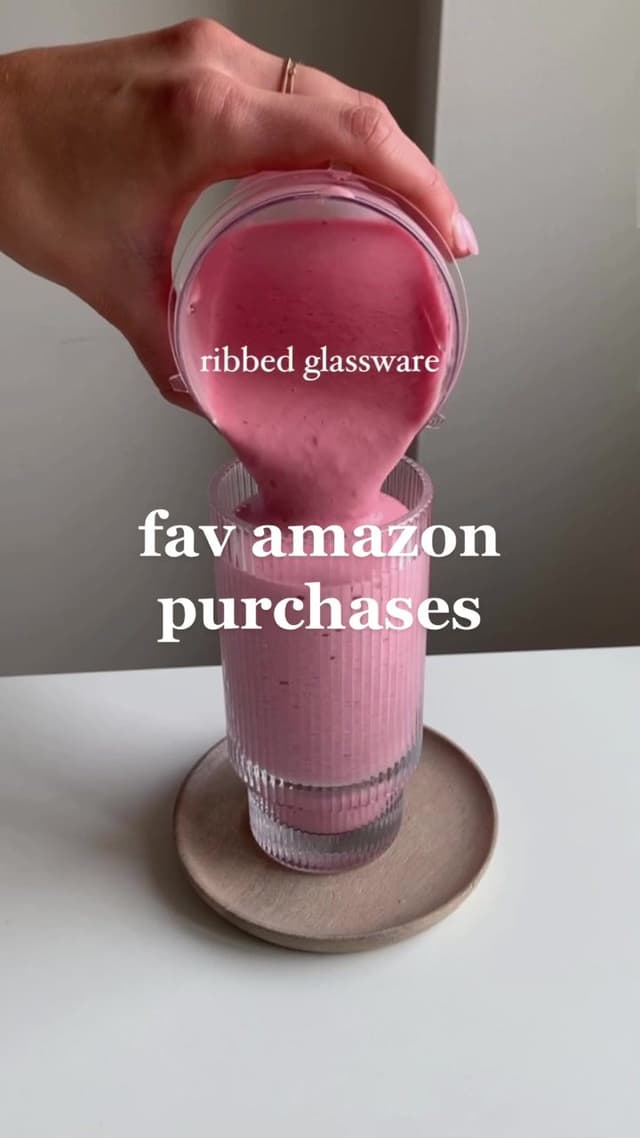
It converts through visual desire and the 'influencer effect'—viewers want to emulate the creator's lifestyle. It doesn't convert through logic or urgency, but through the emotional pull of wanting to own the same 'aesthetic' items.
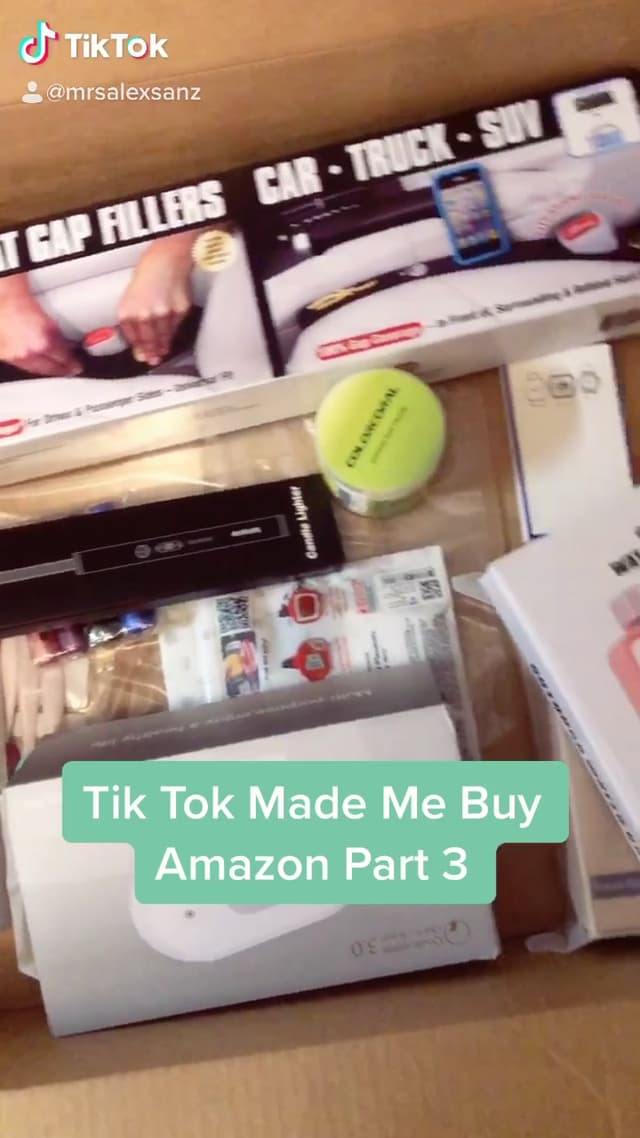
It converts because it shows a simple, satisfying solution to a minor annoyance, and the 'TikTok made me buy it' label provides social validation.

It doesn't convert directly, but it drives brand awareness and 'Target run' desire through aesthetic appeal.
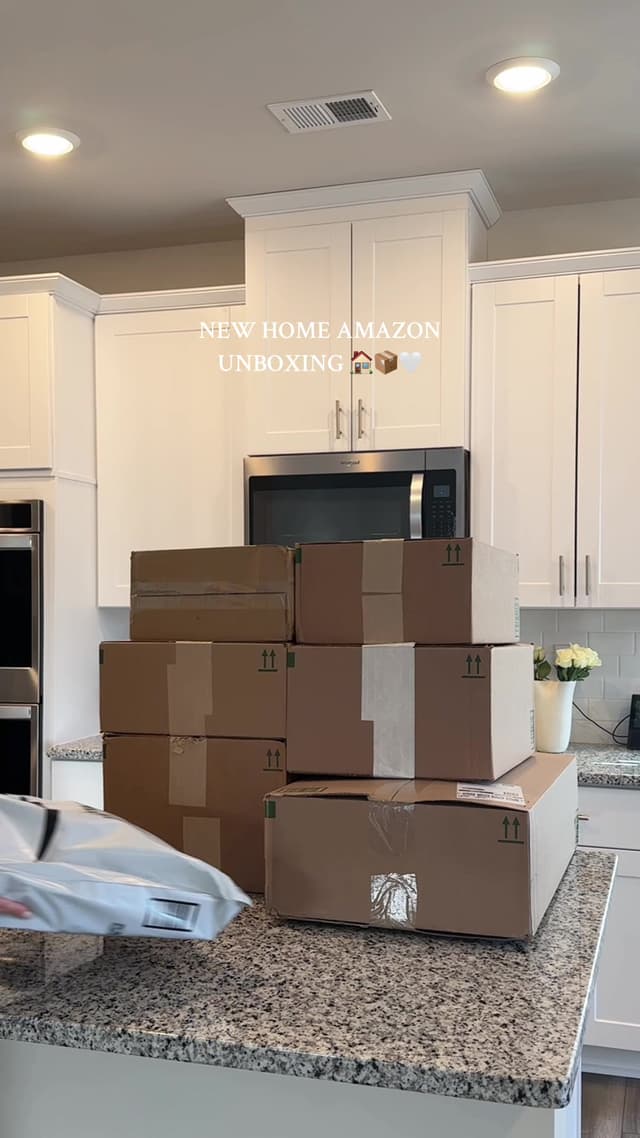
It converts by leveraging the 'Amazon storefront' ecosystem, which is a high-trust channel for this demographic. The 'new home' context creates a high-intent audience looking for solutions.
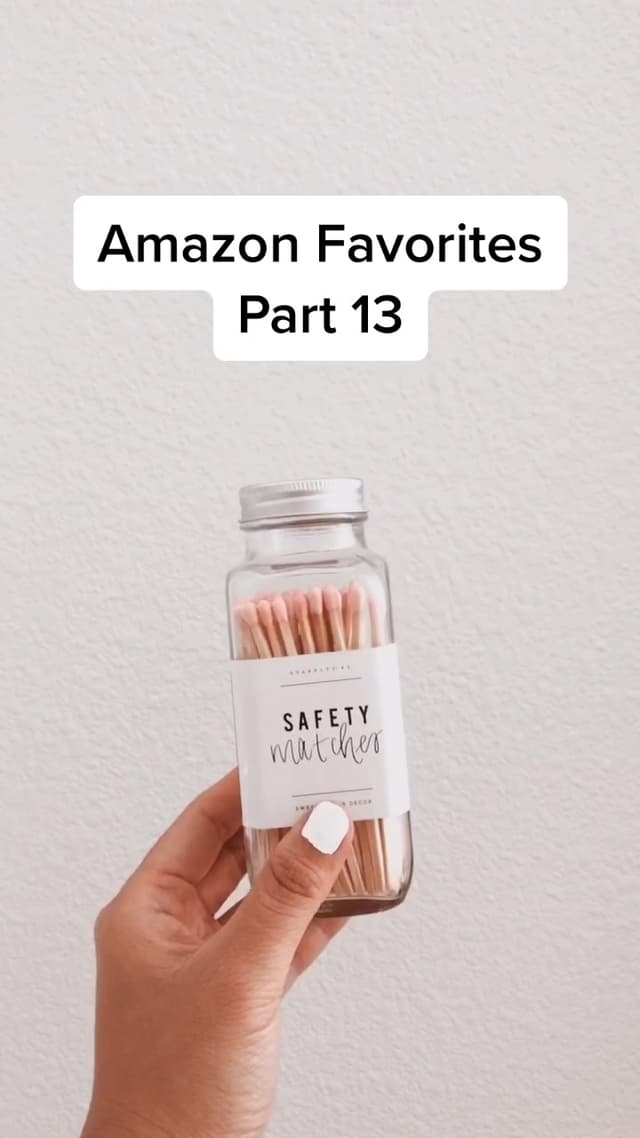
It likely drives conversions through pure aesthetic desire and the 'Amazon Favorites' halo effect, where viewers trust that the creator has vetted the item for quality and style.
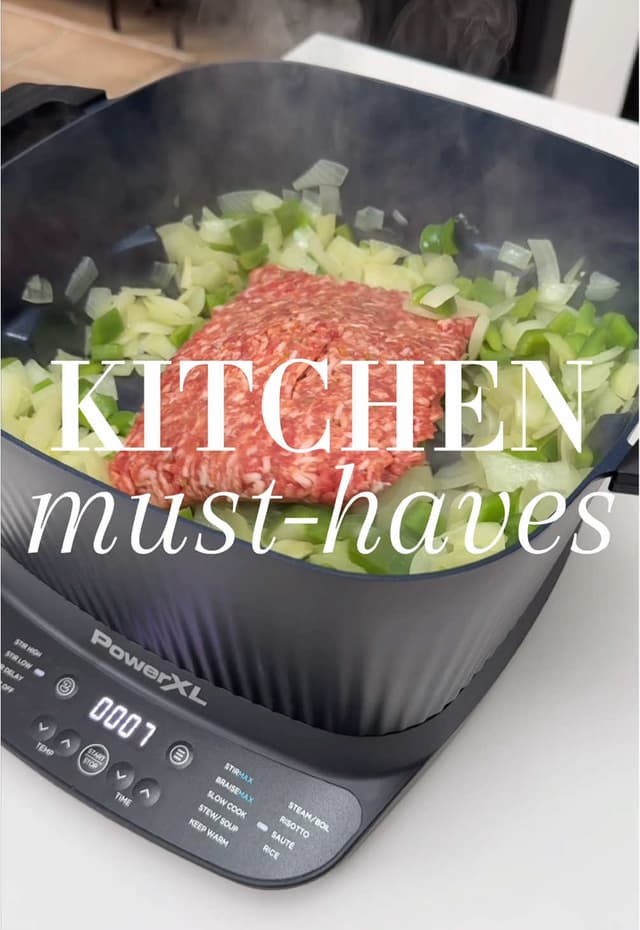
It converts by solving a specific, relatable physical pain point for a large audience (busy people and those with physical limitations) with a clear visual demonstration.
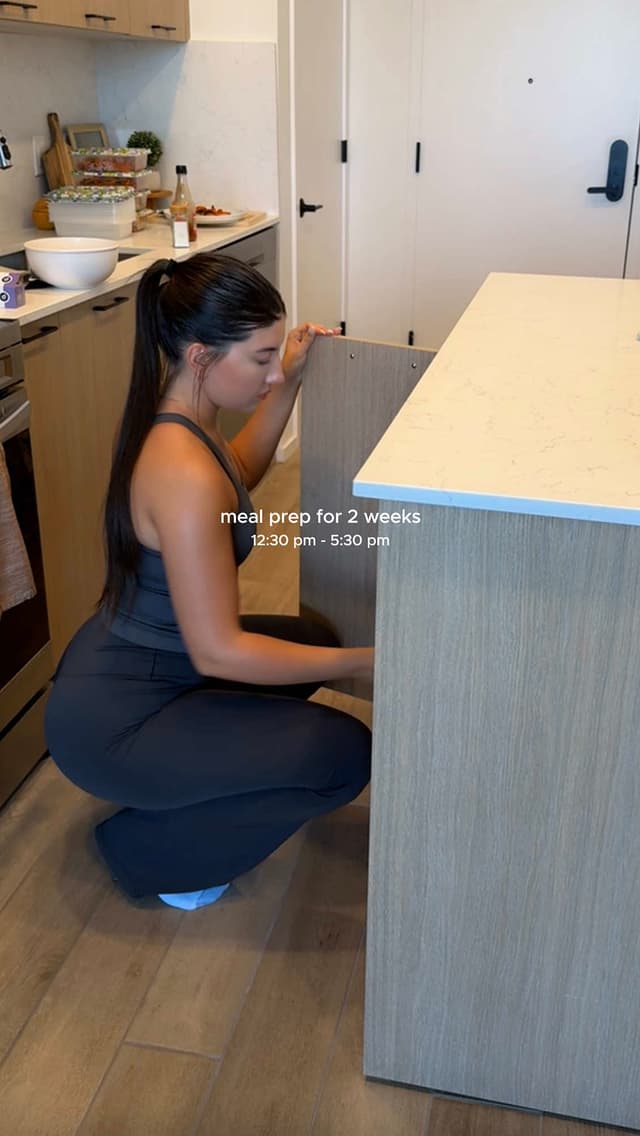
It converts by selling an 'identity' rather than a product. Viewers aren't just buying containers; they are buying the version of themselves that is organized, healthy, and in control of their time.

It doesn't convert well because it lacks a clear CTA and product focus, serving more as a lifestyle update than a sales-driven piece.
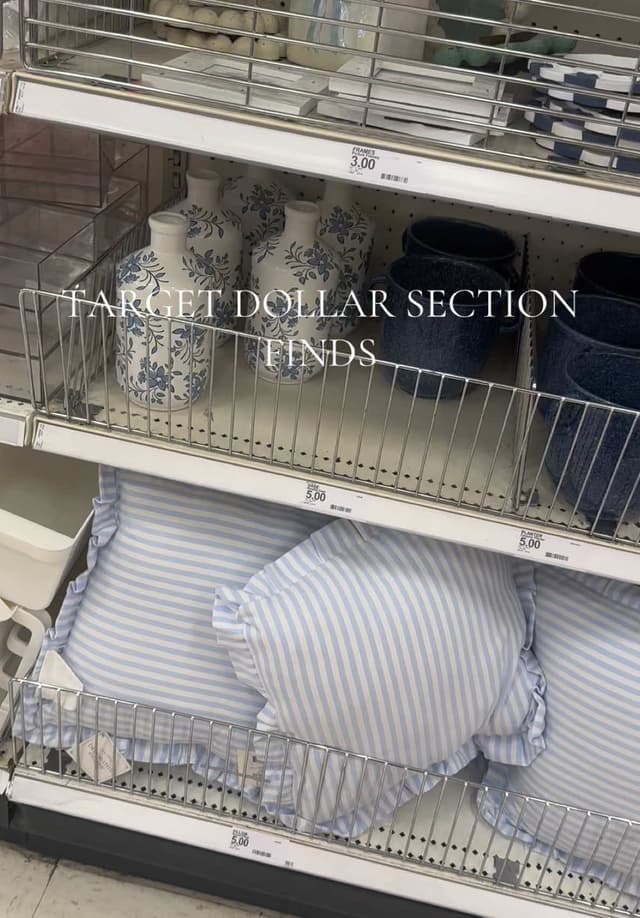
It converts by tapping into the 'Target haul' trend, which triggers a strong desire for affordable, aesthetic home goods. The lack of a hard sell makes it feel authentic, which builds trust with the viewer.
Create home & kitchen videos for your brand
Add a card, onboard your brand, and generate the first video workflow for free.