Top Food & beverage hooks.
Decoded, free, remixable.
Conversion analysis, hook breakdowns, and ICP insights for the highest-performing short-form videos in the food & beverage space.

It likely won't convert directly to a sale as there is no product link, but it builds strong brand affinity and trust through the creator's authentic personality.
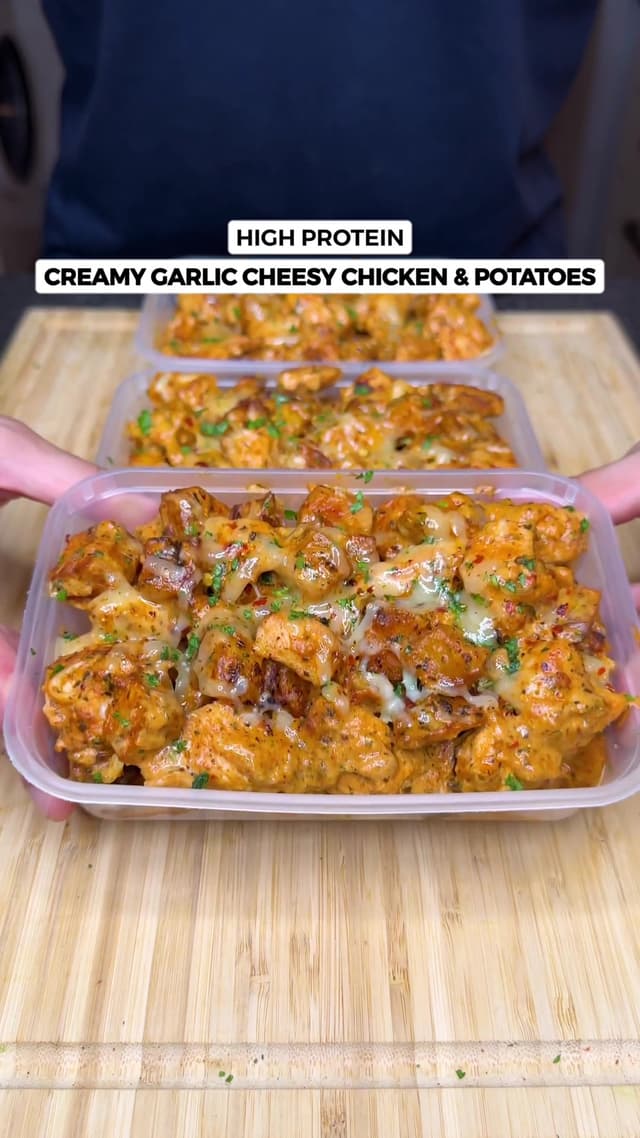
It converts viewers into followers/savers by providing high-value, actionable content that solves a specific pain point (weight loss meal prep).

It converts by creating strong visual desire for the food. However, the conversion rate is likely hampered by the friction of the website link.
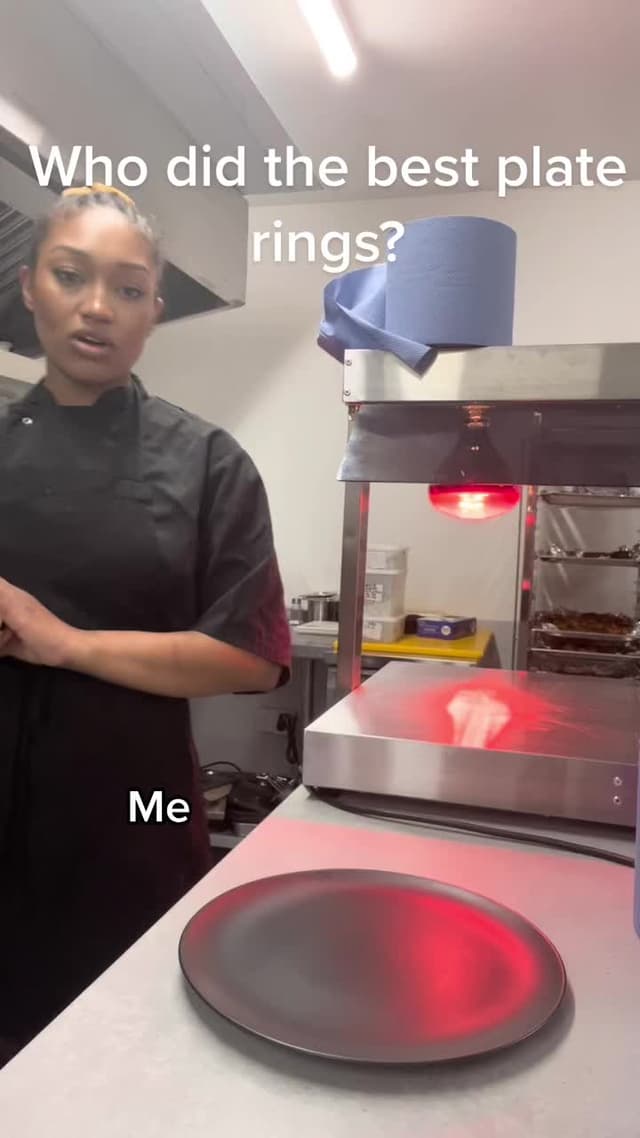
This video is not designed for conversion; it is designed for engagement and reach. It converts viewers into followers by building a community around the chef's content.
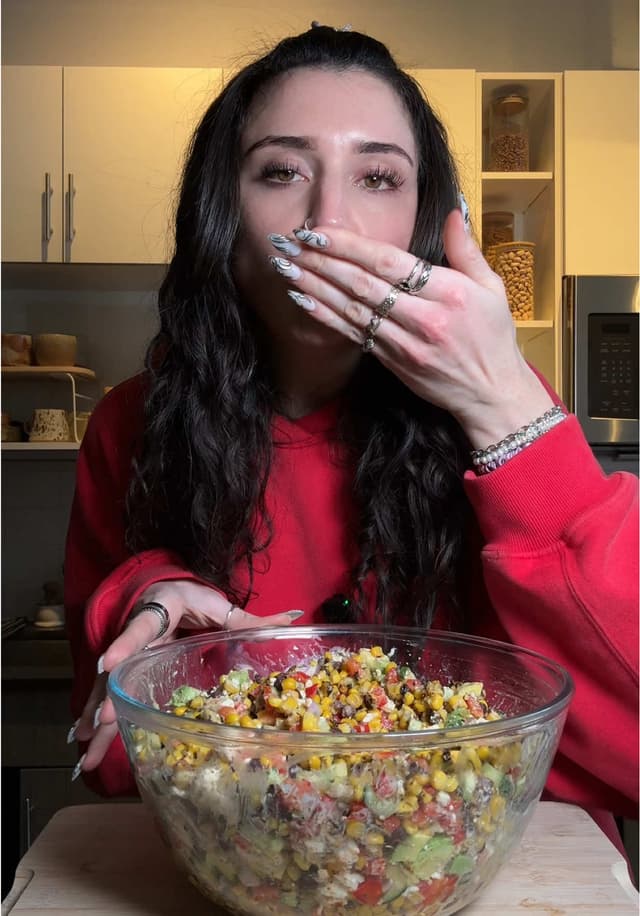
It converts by solving a specific 'pain' (hating leafy salads) with a high-visual, low-effort solution. The 'scoopable' framing makes it feel like a snack, which lowers the barrier to entry for the viewer.
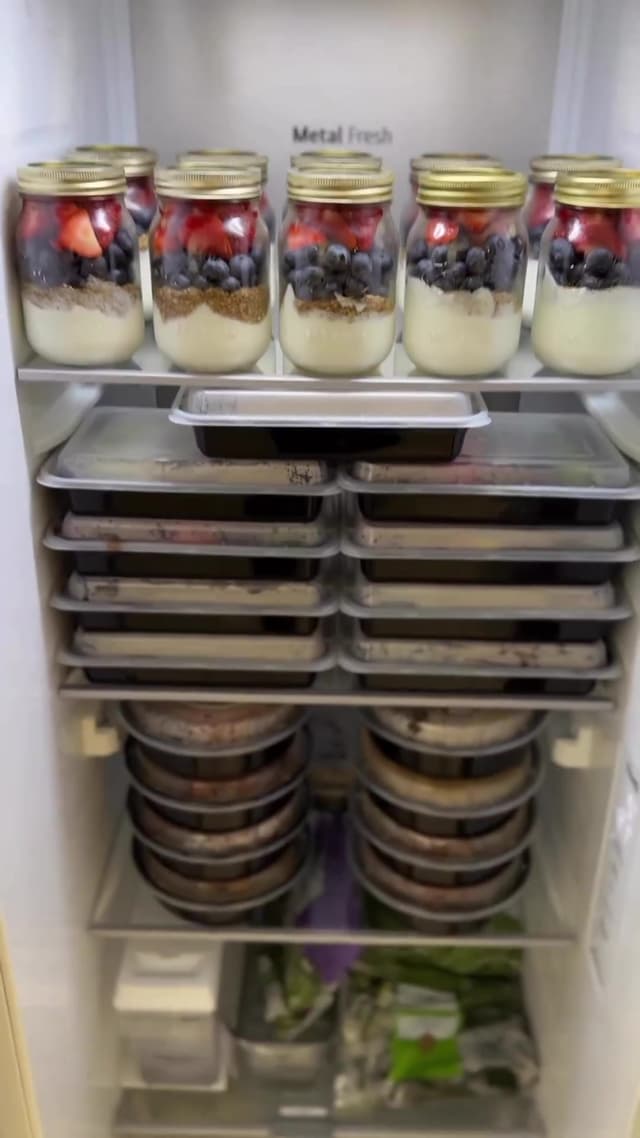
It converts by selling an aspirational lifestyle. Users click the link not just for a recipe, but to replicate the feeling of being 'put together' and organized.
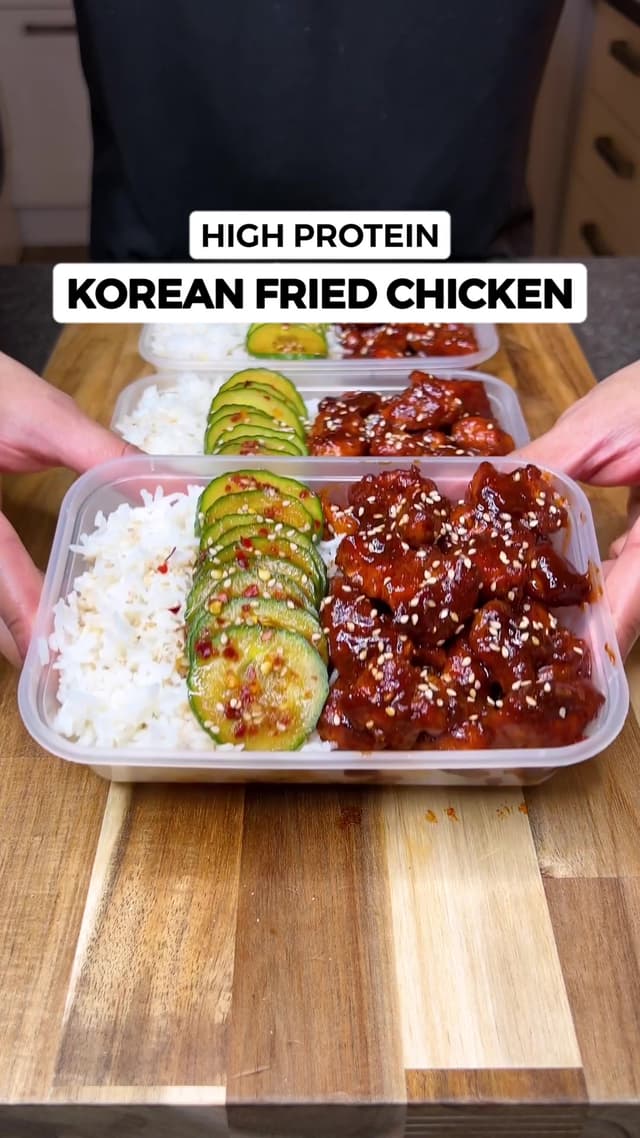
It converts by solving a specific pain point (dieting is boring) with a high-desire solution (tasty Korean fried chicken). It builds trust through transparency in macros and ingredients.
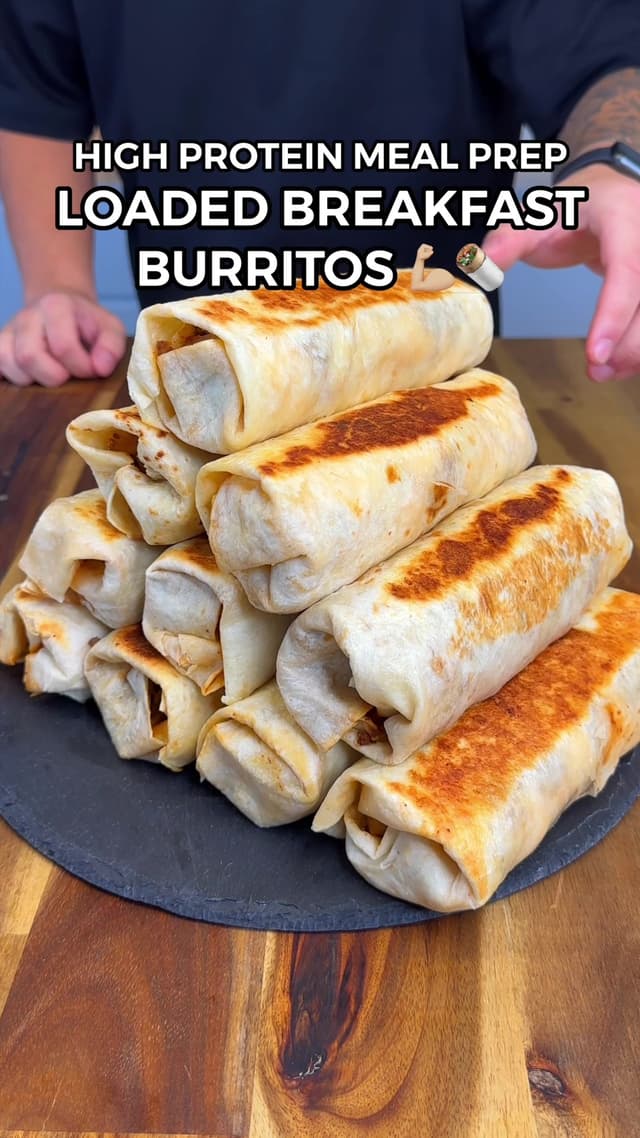
It converts viewers into 'savers' because the recipe is highly practical and the macros are clearly displayed, making it a 'bookmarkable' asset for fitness-focused users.
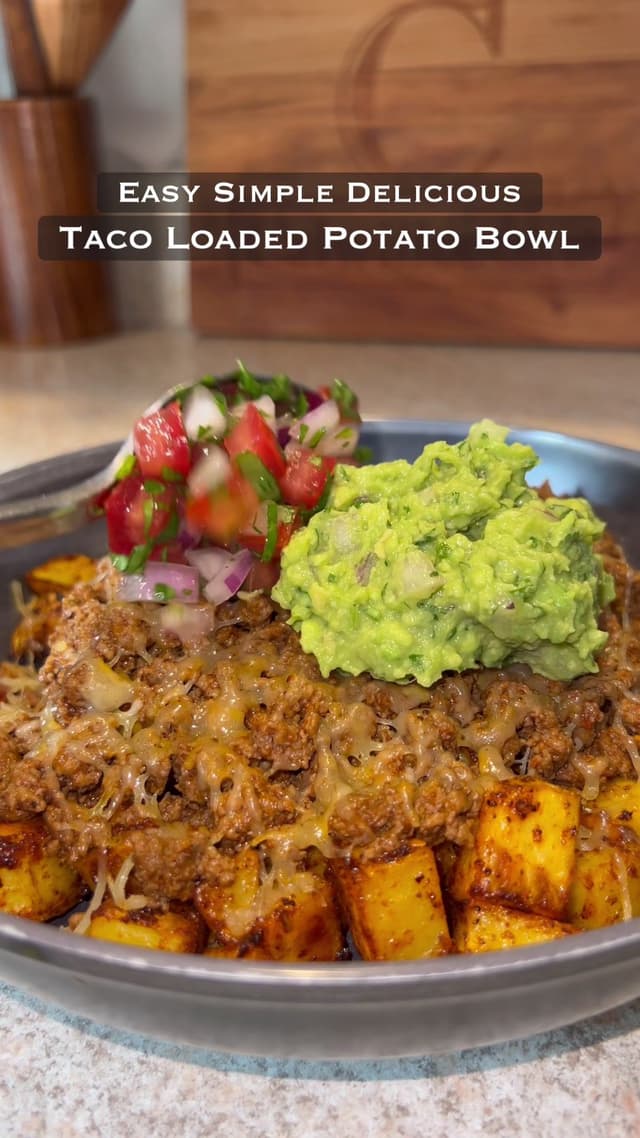
It converts because it solves the 'what should I eat that is healthy but tastes good' problem with a visually stunning, low-friction solution. The promise of 'meal prep' utility adds a layer of practical value that encourages users to save the video for later.
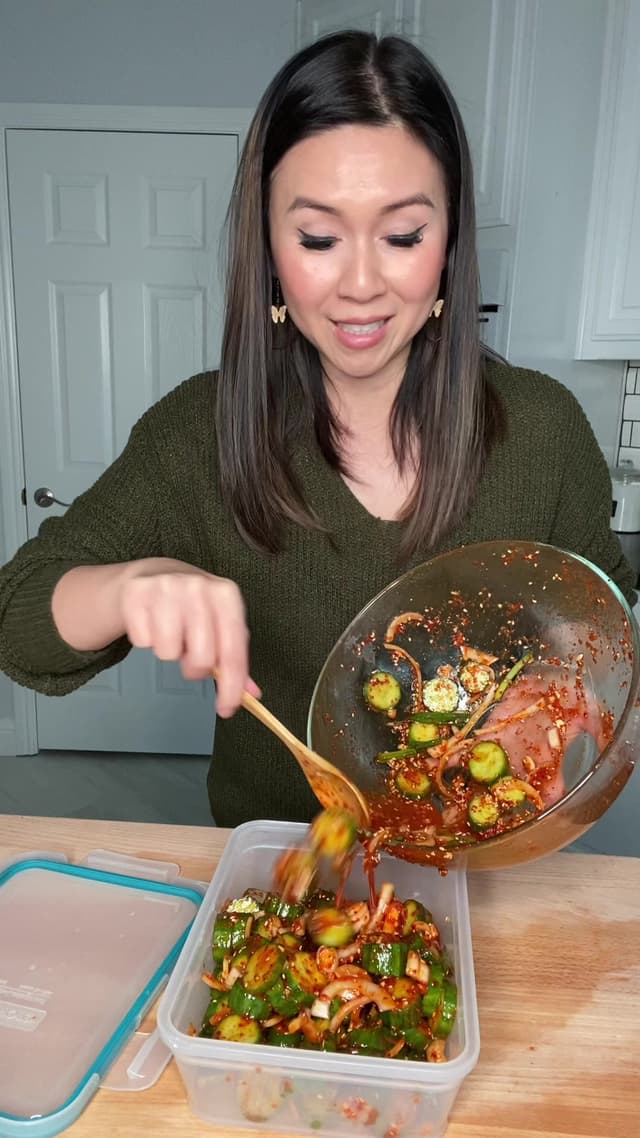
The video converts by providing a high-utility, low-effort recipe that satisfies a specific craving, making it highly shareable and saveable.
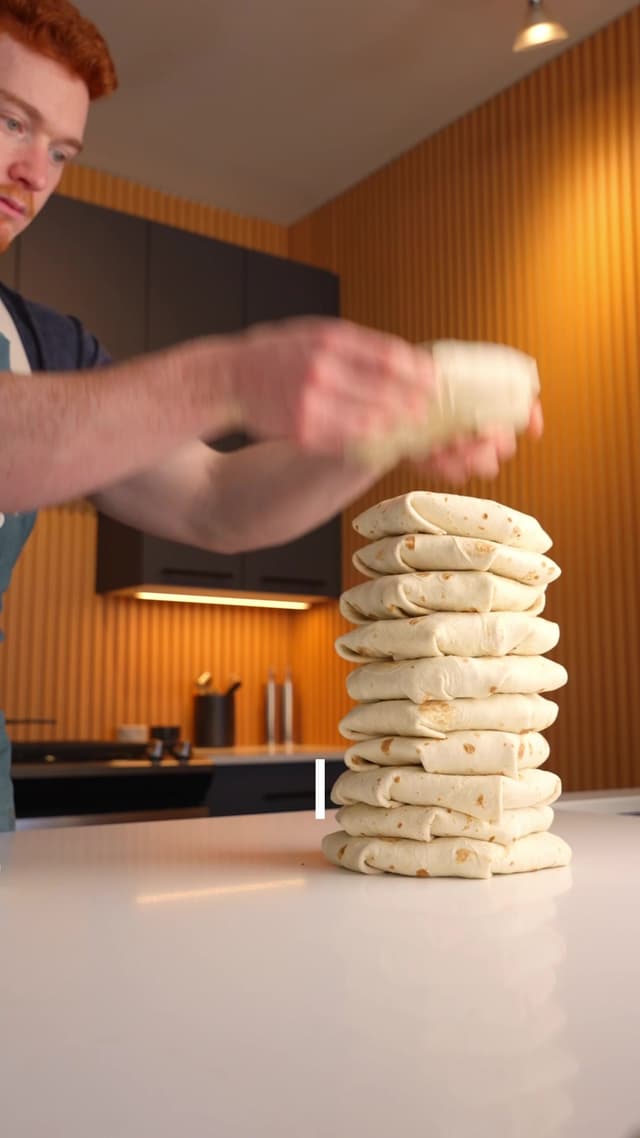
It converts because it solves a specific problem (meal prep) with a high-protein, 'cheat meal' style food that people actually want to eat, making the diet feel less restrictive.
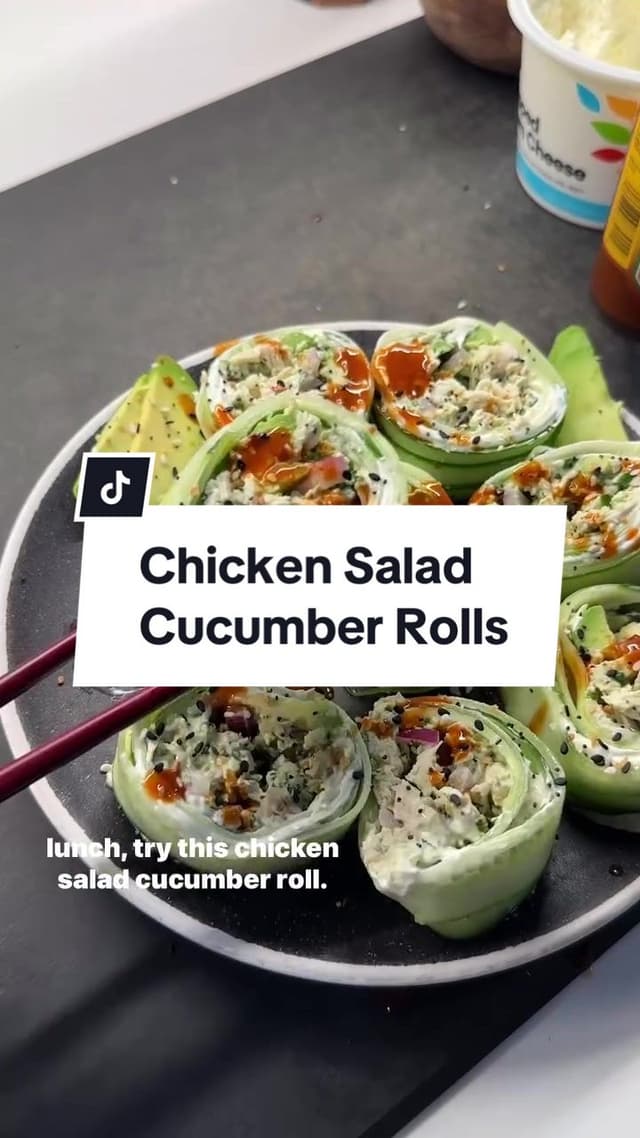
The video converts by providing a clear, actionable solution to a common problem (healthy, low-carb lunch) in a visually appealing way. The simplicity of the recipe makes it feel achievable, which lowers the barrier to entry for the viewer.
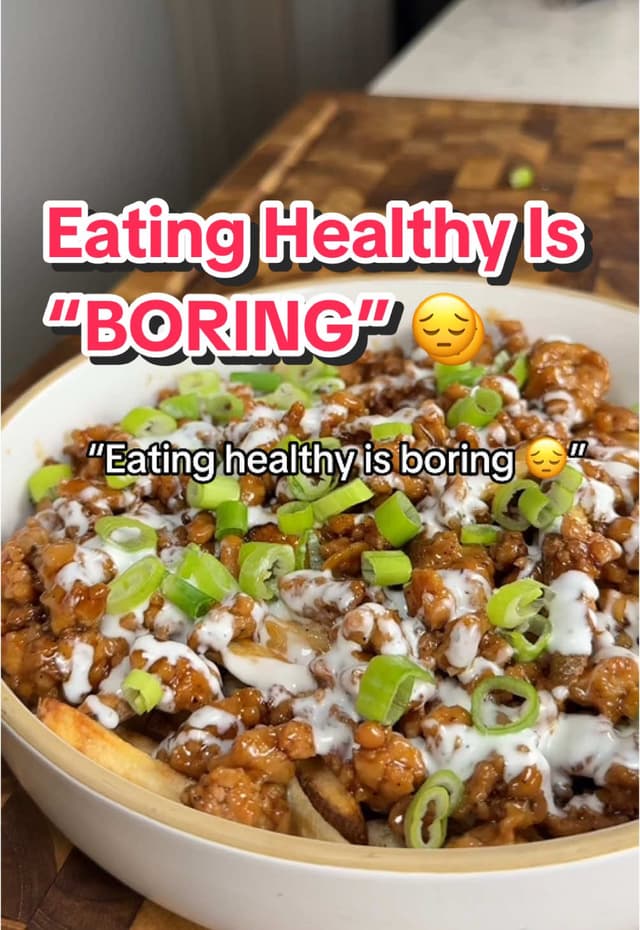
It builds trust through personal transformation and addresses a major pain point, but the lack of a CTA limits its ability to drive specific conversions.
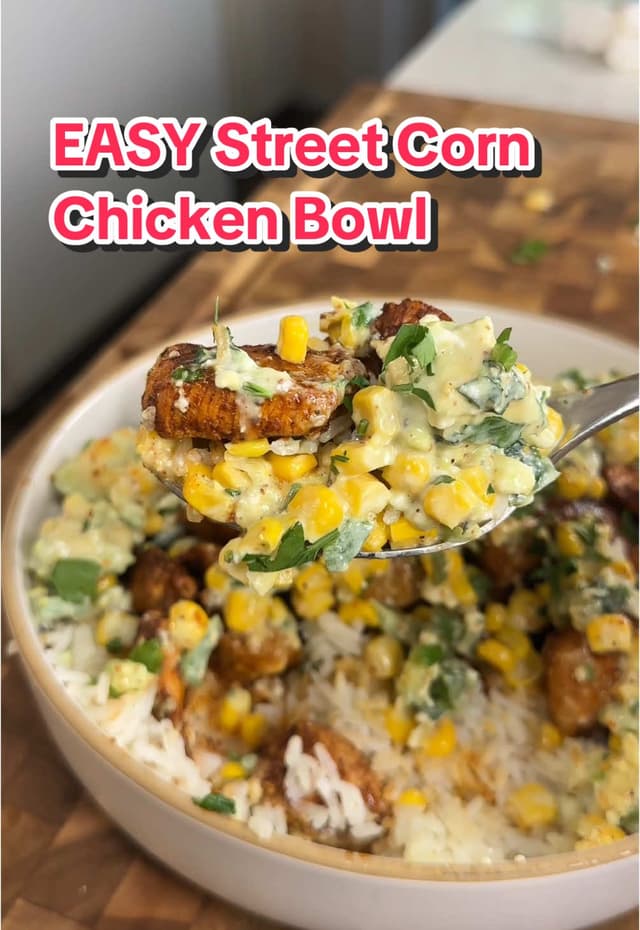
It converts by solving a specific pain point (boring meal prep) with a high-protein, visually appealing solution, then leveraging the creator's authority to sell a cookbook.
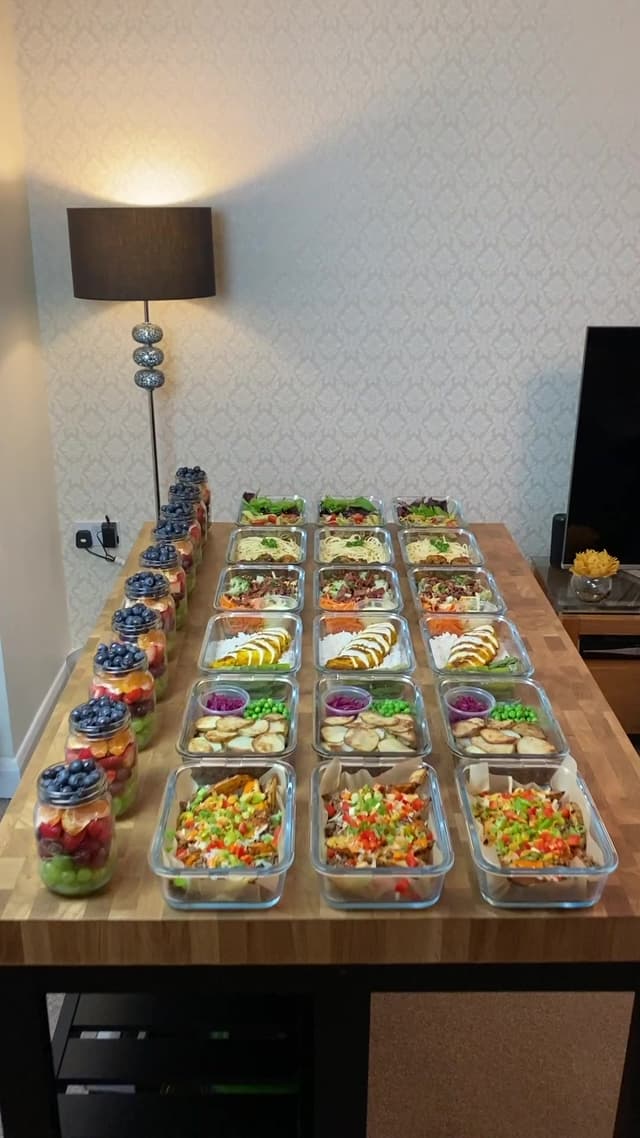
It converts by tapping into the desire for a 'magic bullet' solution to weight loss and organization. The visual proof of the food prep creates a sense of 'if I do this, I will get those results.'
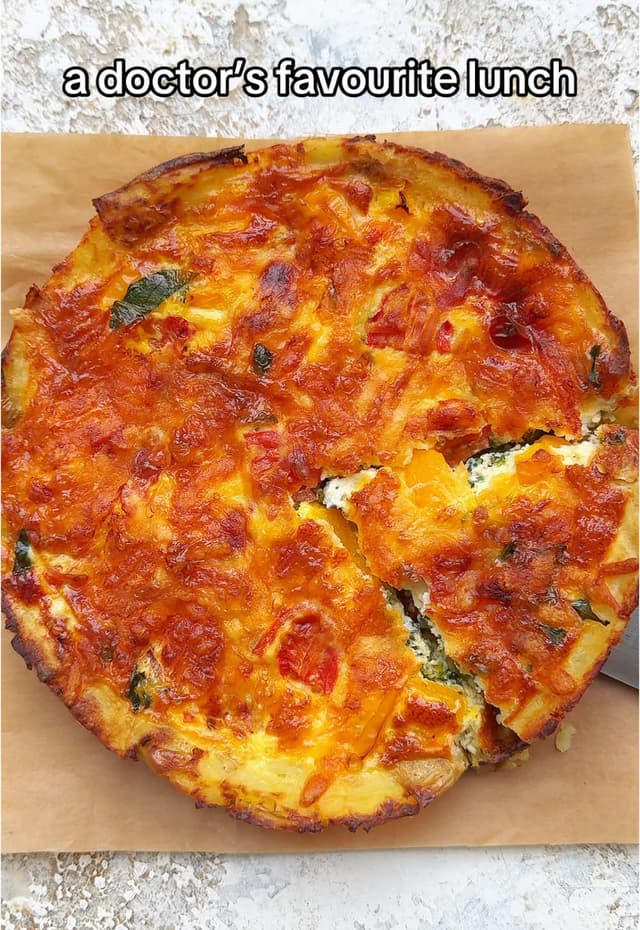
It converts by solving a specific pain point (quick, healthy, gluten-free lunch) with a visually appealing, easy-to-replicate solution, while using the 'doctor' authority to validate the health claims.
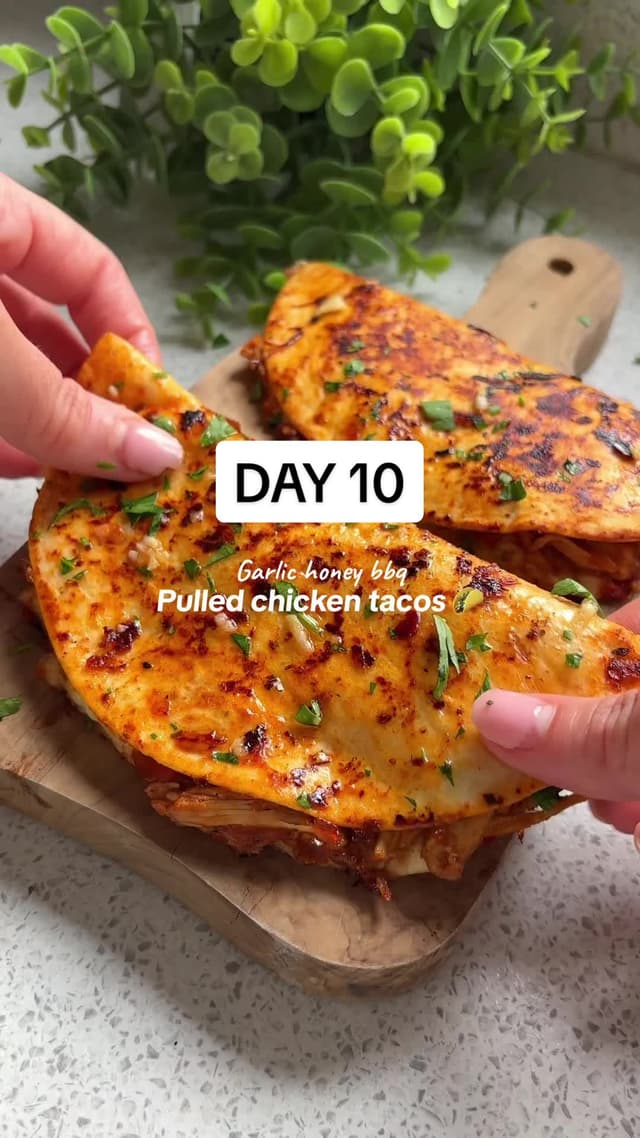
It converts by satisfying the viewer's desire for 'guilt-free' comfort food. By providing the macro breakdown, it removes the friction of calculating nutritional value, making the viewer more likely to try the recipe.
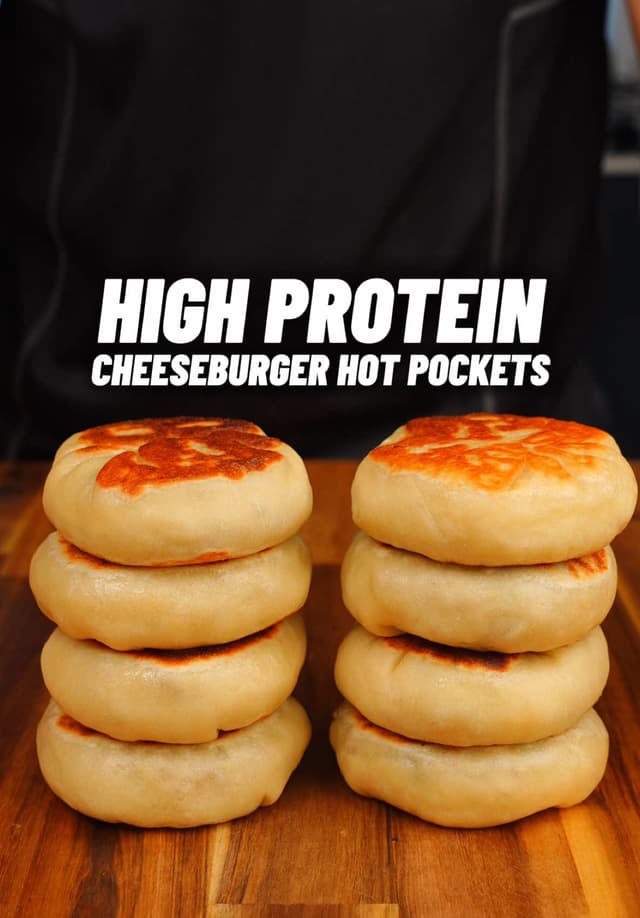
It converts by solving a specific pain point (healthy eating is boring) with a highly visual, easy-to-follow solution that promises high protein and low calories.
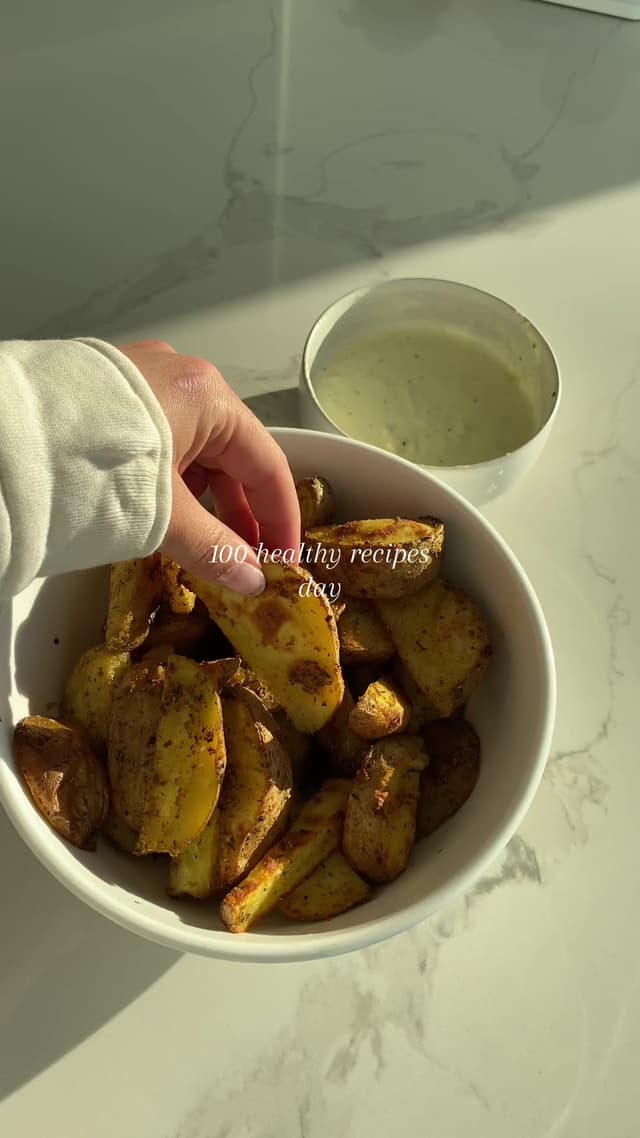
It converts by tapping into the 'aesthetic lifestyle' trend, making the viewer feel like they can achieve the same result. The recipe in the comments provides the utility needed to justify the save/share.
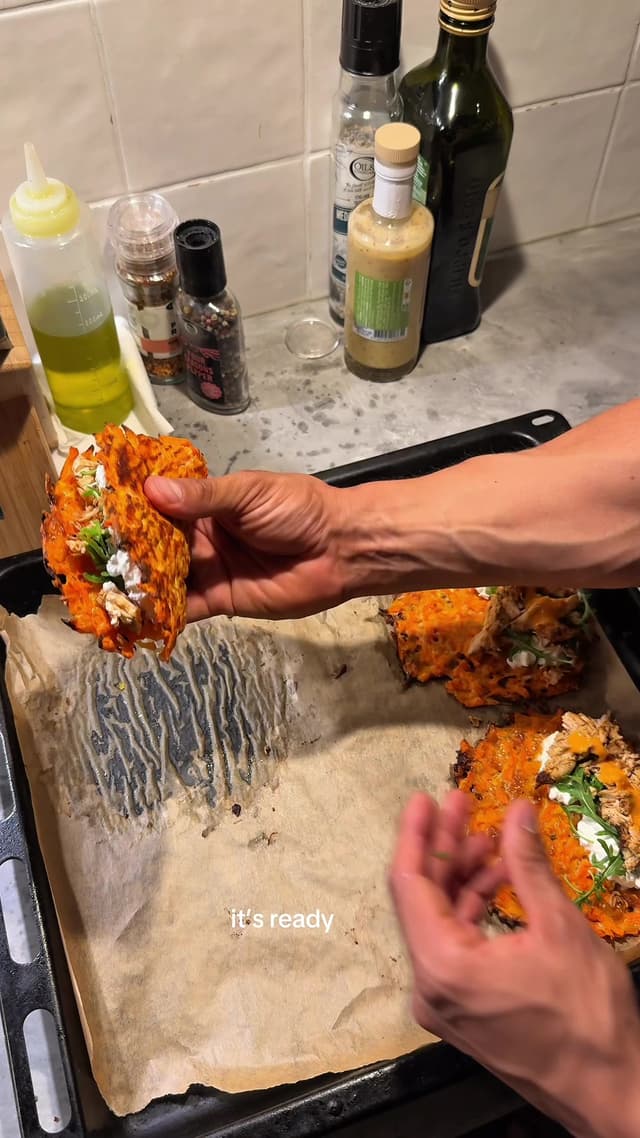
It converts through curiosity and the 'I can do that' factor. The simplicity of the visual makes the viewer feel capable of replicating the recipe, which is a strong driver for saves and shares.
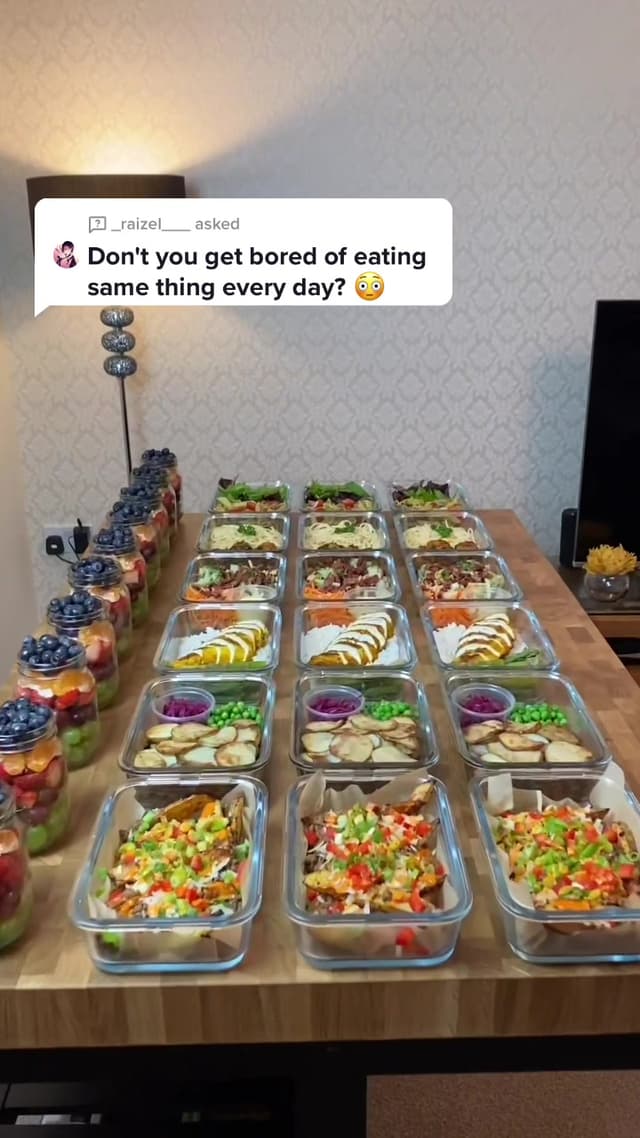
It converts by visually demonstrating a solution to a common pain point (boredom), which builds trust. However, conversion is likely limited by the lack of a strong, benefit-driven CTA.
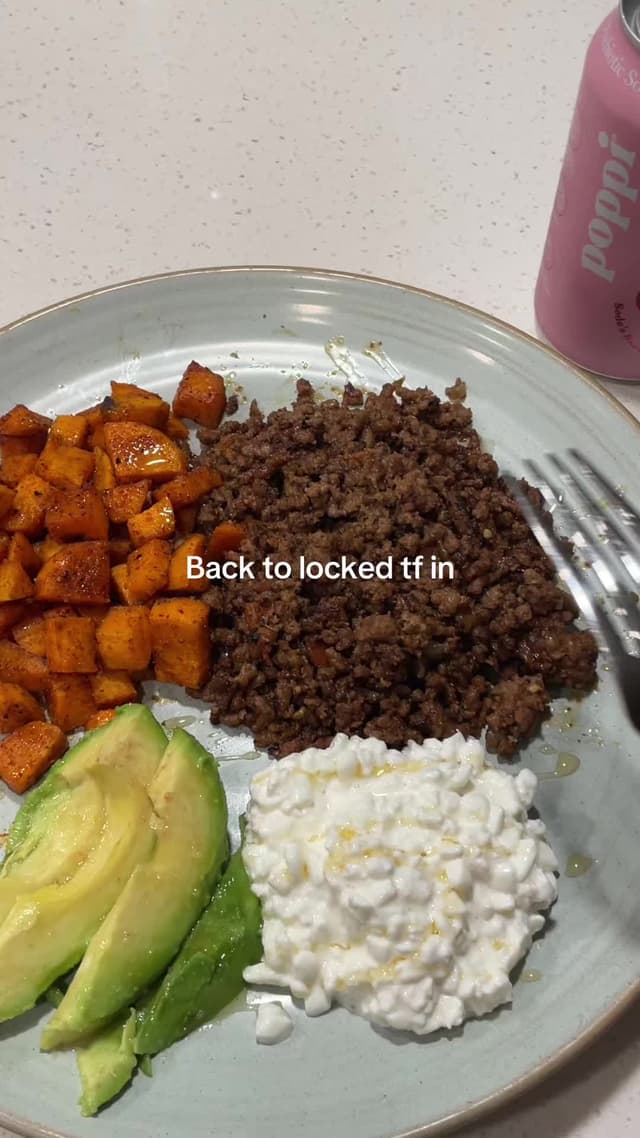
It converts through 'lifestyle aspiration'—viewers want to emulate the creator's disciplined eating habits. The simplicity of the meal makes it highly achievable, lowering the barrier to entry for the viewer.
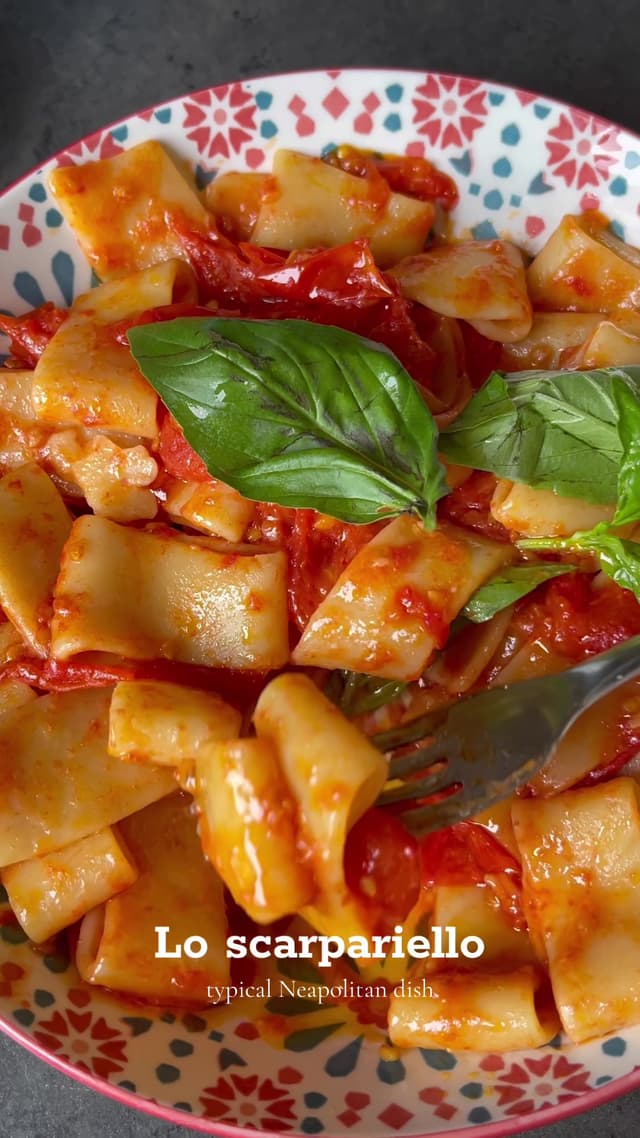
It doesn't convert because there is no product or clear call to action. It serves purely as entertainment/inspiration.
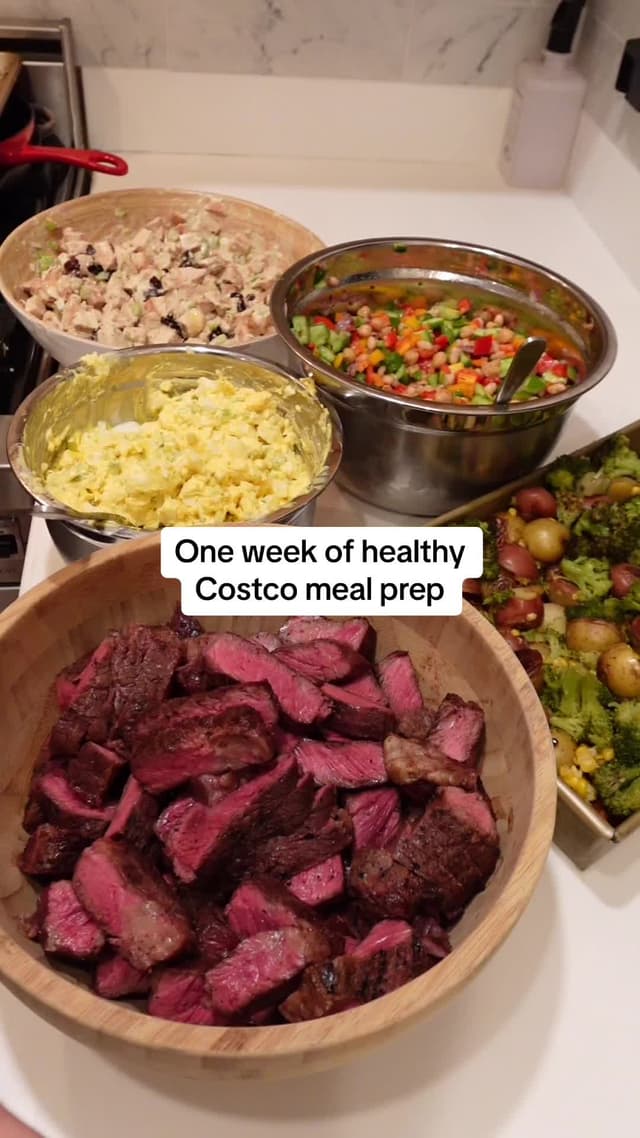
It converts by selling an aspirational lifestyle rather than a specific product. Viewers save the video as a reference for their own routines, which drives high engagement and algorithm favorability.
Create food & beverage videos for your brand
Add a card, onboard your brand, and generate the first video workflow for free.