The hook works because it promises 'Facts'—a high-value, low-effort way to learn something about oneself.
Slide Text
Psychological Facts
Visual
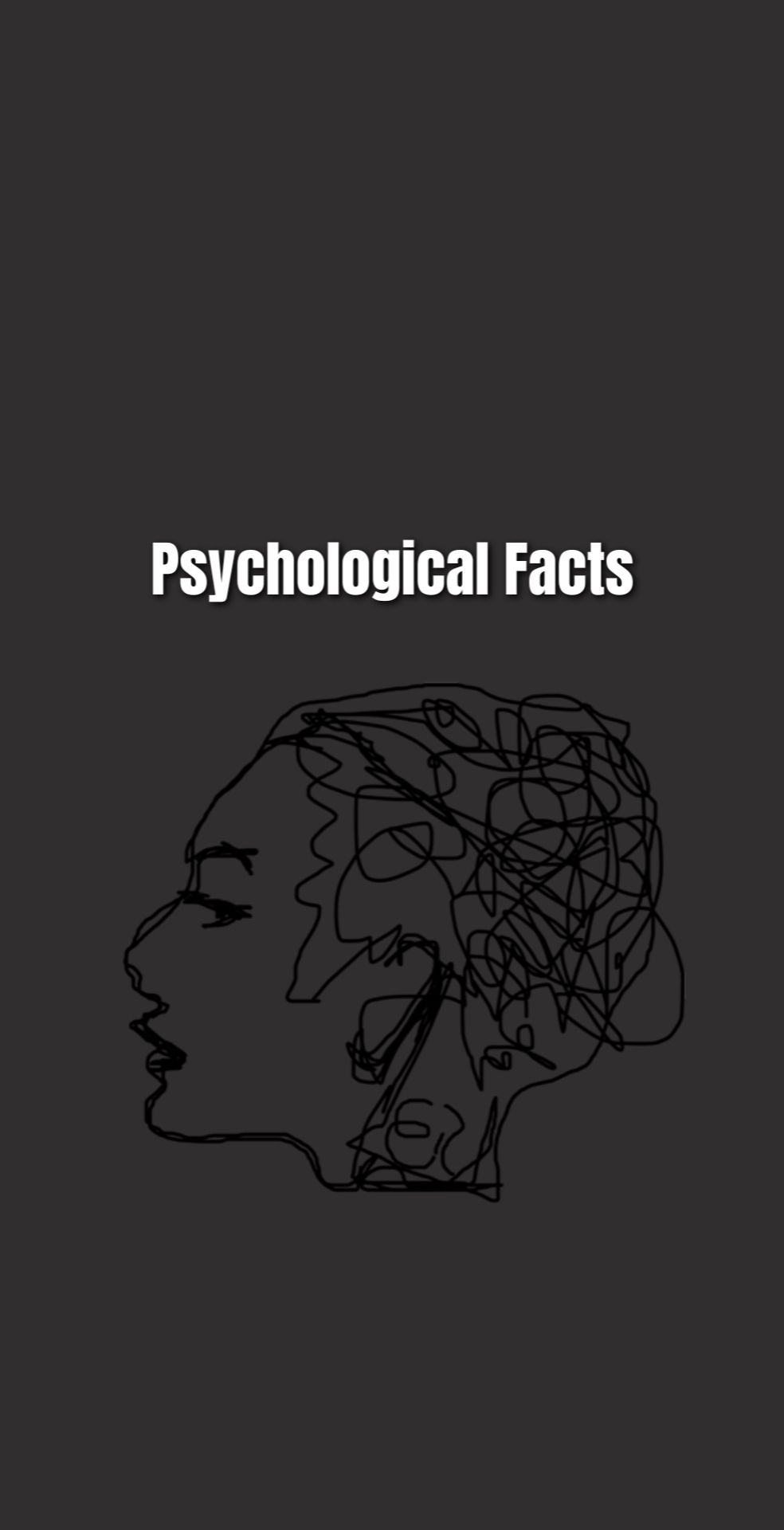
A simple black background with a hand-drawn, scribbled sketch of a human head in white lines.
All Slides
@elementalio carousel breakdown
Elemental Psychology
This carousel leverages the Barnum Effect by presenting vague, flattering personality observations as 'Psychological Facts,' driving massive validation and identity signaling. The inclusion of a physical typing challenge in Slide 6 breaks the passive reading pattern, forcing user interaction and boosting comment rates. The final slide uses a deceptive loop CTA ('Swipe left') to trick users into re-watching the start, artificially inflating retention metrics.
Effectiveness score
9/10
Views
2.7M
Likes
407.1K
Saves
58.1K
Engagement
17.6%
Hook
Psychological Facts
Goal
grow-following
Offer
none
CTA
Swipe left, you will find something useful for you.
Caption
(no caption)
Strategic Summary
This carousel leverages the Barnum Effect by presenting vague, flattering personality observations as 'Psychological Facts,' driving massive validation and identity signaling. The inclusion of a physical typing challenge in Slide 6 breaks the passive reading pattern, forcing user interaction and boosting comment rates. The final slide uses a deceptive loop CTA ('Swipe left') to trick users into re-watching the start, artificially inflating retention metrics.
The Winning Formula
Pseudo-scientific identity validation + interactive physical challenge + deceptive loop CTA.
What's working
- •Slide 1 establishes authority immediately with 'Psychological Facts' and a brain illustration, priming the user to trust the following statements as scientific truths rather than opinions.
- •Slides 2, 3, and 4 use the Barnum Effect—statements like 'window seats like traveling alone' are specific enough to feel insightful but general enough that almost everyone identifies with them, triggering high save and share rates for identity signaling.
- •Slide 4 introduces a controversial claim ('smarter you are... hate increases') which serves as ego-validation for introverts and likely triggers debate in comments, boosting engagement.
- •Slide 6 shifts from reading to doing with a typing challenge, creating a behavioral interrupt that forces users to pause and test the claim, significantly increasing dwell time.
- •Slide 7 uses a 'Swipe left' command on the final slide, which on TikTok loops back to Slide 1, tricking users into re-consuming the content and signaling high retention to the algorithm.
What's not working
- •Slide 5 ('Talking to yourself') is the weakest link in terms of emotional impact; it feels like filler compared to the ego-driven claims of Slides 3 and 4.
- •The loop CTA in Slide 7 is transparent; users may feel manipulated once they realize they've been tricked into looping, which could drive negative sentiment despite the metrics boost.
Viral lesson
Validation is a stronger viral driver than education. Statements that make the viewer feel 'seen' or 'understood' (even if pseudo-scientific) generate higher engagement than purely informational content.
Can a small creator replicate this? Highly replicable for any creator in the wellness, psychology, or self-improvement space; requires no production budget, only the ability to write relatable 'cold reading' statements that flatter the audience's self-image.
Structural Formula (steal-the-format)
Structure pattern
7-slide list, single-sentence overlay text on dark background, last slide is a loop trap.
Copy formula
identity-statement + pseudo-scientific justification + interactive challenge.
What to swap (concrete remixes)
- •Swap 'psychological traits' for 'zodiac signs' for astrology audiences.
- •Swap 'introvert habits' for 'gym habits' for fitness audiences (e.g., 'People who listen to metal lift heavier').
What NOT to copy
Do not copy the loop CTA if you want long-term trust; use it sparingly as it can annoy users who feel tricked.
Aesthetics
Minimalist dark-mode text cards with high-contrast white typography.
Color palette
What it conveys: The stark, dark aesthetic creates a serious, almost academic mood that lends credibility to the 'facts' presented, while the simplicity keeps the focus entirely on the persuasive text.
Slide-by-slide forensics
1hooktext cardcuriosityworks:yesgrab:90/100aesthetic:70/100Psychological Facts
Psychological Facts
Visual description
A dark gray background features a minimalist line drawing of a human head in profile, with the brain area depicted as a chaotic, scribbled mess of lines. The text is centered in bold white sans-serif font.
Scene setting
abstract studio graphic
Visible people
Visible objects
vs prior slide
Style: Sets the visual template: dark gray background, white text, minimalist aesthetic.
Story: Establishes the premise of the carousel as educational/psychological.
Predicted audience reaction
Users stop immediately because 'Psychological Facts' implies hidden knowledge about themselves.
Verdict: High authority hook; the brain sketch visually reinforces the 'mind' theme without cluttering the text.
2step in listtext cardvalidationworks:yesgrab:80/100aesthetic:60/100People who prefer window seats like traveling alone.
People who prefer window seats like traveling alone.
Visual description
Solid dark gray background with white sans-serif text centered on the screen. No other visual elements.
Scene setting
text card
vs prior slide
Style: Maintains identical background and typography as Slide 1.
Story: Delivers the first fact, moving from the hook to specific content.
Predicted audience reaction
Window-seat preferrers save this to prove their need for solitude is a 'fact'.
Verdict: Immediate identity validation; it's a specific preference that signals a personality trait (introversion).
3step in listtext cardreassuranceworks:yesgrab:85/100aesthetic:60/100Lonely people take the longest and hottest bath to replace their missing inner warmth.
Lonely people take the longest and hottest bath to replace their missing inner warmth.
Visual description
Solid dark gray background with white sans-serif text centered on the screen.
Scene setting
text card
vs prior slide
Style: Identical visual style to previous slides.
Story: Deepens the emotional tone from simple preference to emotional coping mechanisms.
Predicted audience reaction
Highly saveable; users validate their self-care routines as coping mechanisms for loneliness, reframing a negative emotion positively.
Verdict: Connects a physical habit (hot baths) to an emotional state (loneliness), creating a strong 'aha' moment of self-recognition.
4step in listtext cardcontroversyworks:yesgrab:95/100aesthetic:60/100The smarter you are, the bigger your hate and disgust of people increases, and your communication decreases.
The smarter you are, the bigger your hate and disgust of people increases, and your communication decreases.
Visual description
Solid dark gray background with white sans-serif text centered on the screen.
Scene setting
text card
vs prior slide
Style: Identical visual style.
Story: Introduces a controversial, ego-boosting claim that likely drives the majority of comments.
Predicted audience reaction
Users who dislike socializing feel vindicated that their behavior is a sign of intelligence; non-introverts may argue in comments.
Verdict: This is the engagement driver. It flatters the ego of the target audience (smart, anti-social) while provoking debate from others.
5step in listtext cardvalidationworks:partialgrab:70/100aesthetic:60/100Talking to yourself can increase your intelligence.
Talking to yourself can increase your intelligence.
Visual description
Solid dark gray background with white sans-serif text centered on the screen.
Scene setting
text card
vs prior slide
Style: Identical visual style.
Story: Returns to lighter validation after the heavy controversy of Slide 4.
Predicted audience reaction
Users laugh and agree, viewing this as permission to continue their odd habits.
Verdict: Weaker than Slide 4; it's a fun fact but lacks the deep emotional resonance of loneliness or the ego-boost of intelligence vs. hatred.
6step in listtext cardsurpriseworks:yesgrab:90/100aesthetic:60/100100% of people can't type "something" with their left hand with their eyes shut.
100% of people can't type "something" with their left hand with their eyes shut.
Visual description
Solid dark gray background with white sans-serif text centered on the screen.
Scene setting
text card
vs prior slide
Style: Identical visual style.
Story: Shifts from passive reading to active participation with a challenge.
Predicted audience reaction
Users immediately try this on their phone, failing or succeeding, and commenting the result.
Verdict: The interactive challenge breaks the scroll behavior, forcing the user to put their phone down or use their free hand, increasing dwell time and comments.
7ctatext cardcuriosityworks:yesgrab:85/100aesthetic:60/100Swipe left, you will find something useful for you.
Swipe left, you will find something useful for you.
Visual description
Solid dark gray background with white sans-serif text centered on the screen.
Scene setting
text card
vs prior slide
Style: Identical visual style.
Story: Provides a CTA that is actually a loop mechanic, sending users back to the start.
Predicted audience reaction
Users swipe left, expecting a resource, realize they are back at Slide 1, and either laugh at the trick or re-read the facts.
Verdict: The loop CTA is a growth hack that manipulates the algorithm by forcing a replay, though it sacrifices user trust slightly.
Commerce intent
Comment ethnography
The audience likely uses the comments to validate each other's introverted traits ('I do this too!') or to challenge the typing fact in Slide 6, creating a micro-community of 'highly sensitive' or 'intelligent' individuals.
Diagnostics
Hook deep-dive
Psychological Facts
The user swipes to discover which psychological facts apply to them, satisfying the need for self-knowledge and validation.
Engagement read
The comment rate is 9.5x the library norm, which is unusual for a text-only carousel; this is likely driven by the controversial claim in Slide 4 and the interactive challenge in Slide 6.
Mechanics
The promise of 'Psychological Facts' combined with the final slide's loop trick forces users to swipe through the entire list to find a fact that resonates, and then often loops back.
Brand & funnel
Buying-journey moment: User is in the awareness stage, seeking content that defines or validates their personality traits.
Ideal Customer Profile
Young adults interested in self-discovery, personality traits, and understanding their own quirks and social behaviors.
Age
18-24
Gender
neutral
Readability
simple
Interests
Pain Points
Aspirations
Emotional Profile
Primary Emotion
validationIntensity
Effectiveness
Emotions Evoked
Emotional Arc
curiosity → validation → reflection → engagement
Why It Lands
The carousel makes the viewer feel 'seen' by labeling their behaviors as psychological facts, which provides a sense of relief and identity validation.
Writing Analysis
Style
listicle
Tone
authoritative
Hook Type
bold claim
Quality
The writing is extremely concise and punchy. It avoids unnecessary words, which is perfect for a quick-swipe carousel, though it lacks deep scientific nuance.
Effectiveness
Goal Achievement
The high engagement rate (17.62%) and massive bookmark count (58k) indicate that the content was highly shareable and saved for later reflection, perfectly achieving the goal of growth.
Why It Spread
high relatability factor
low-friction consumption
strong identity-signaling
Content DNA
It's a low-friction CTA that encourages profile exploration, which is effective for building a following.
Narrative Arc
The carousel builds tension by alternating between relatable personality traits and 'challenges' (like the typing one), keeping the reader engaged until the end.
Psychological Blueprint
Why It Spread
The content leverages the Barnum effect, where viewers feel the 'facts' are personally tailored to them, triggering a strong desire to share or comment 'this is so me.' The minimalist, dark-mode aesthetic acts as a visual pattern interrupt in the feed, while the low-friction, high-curiosity listicle format encourages high completion rates and repeat views. With 2.7M views and 400k+ likes, the content successfully turned passive viewers into active participants by making them feel understood.
Framework
curiosity loopPrimary Tactic
validationTactics Used
curiosity-gap on slide 1: 'Psychological Facts' implies a list of secrets about the reader
identity-signaling on slides 2-6: each slide makes a claim about the reader's personality, forcing them to agree or disagree
pattern-interrupt: the simple, stark, dark-mode aesthetic stands out against high-energy video content
Barnum effect: the statements are general enough to apply to many people, making them feel personally seen
Cognitive Biases
Barnum effect: readers believe the statements are uniquely true for them
confirmation bias: readers look for evidence in their own lives to validate the claims
Zeigarnik effect: the list format creates a need to finish the sequence to see if the next fact is 'true' for them
Tribal Markers
Trust Signals
Slide Breakdown (7 analyzed)
Hook Analysis
The hook works because it promises 'Facts'—a high-value, low-effort way to learn something about oneself.
Text
Psychological Facts
Visual
A simple black background with a hand-drawn, scribbled sketch of a human head in white lines.
Visual Elements
Color Palette
Copy Analysis
Power Words
Open Loop: yes, it promises a list of facts that the reader is curious to see
Visual Psychology
Attention: the sketch of the head
Emotional cue: the scribbled head suggests complexity and inner thought
Composition: to signal that the content is about the mind
Text
People who prefer window seats like traveling alone.
Visual
Dark grey background with centered white text.
Visual Elements
Color Palette
Copy Analysis
Power Words
Open Loop: yes, the reader wants to see if the next fact is also true for them
Visual Psychology
Attention: the text
Emotional cue: the text itself acts as the cue for self-reflection
Composition: to force the reader to identify with the statement
Text
Lonely people take the longest and hottest bath to replace their missing inner warmth.
Visual
Dark grey background with centered white text.
Visual Elements
Color Palette
Copy Analysis
Power Words
Open Loop: yes
Visual Psychology
Attention: the text
Emotional cue: the word 'lonely' triggers an emotional response
Composition: to create a moment of empathy and self-recognition
Text
The smarter you are, the bigger your hate and disgust of people increases, and your communication decreases.
Visual
Dark grey background with centered white text.
Visual Elements
Color Palette
Copy Analysis
Power Words
Open Loop: yes
Visual Psychology
Attention: the text
Emotional cue: the word 'smarter' appeals to the reader's ego
Composition: to validate the reader's social frustrations
Text
Talking to yourself can increase your intelligence.
Visual
Dark grey background with centered white text.
Visual Elements
Color Palette
Copy Analysis
Power Words
Open Loop: yes
Visual Psychology
Attention: the text
Emotional cue: positive reinforcement of a common habit
Composition: to make the reader feel better about a 'weird' habit
Text
100% of people can't type "something" with their left hand with their eyes shut.
Visual
Dark grey background with centered white text.
Visual Elements
Color Palette
Copy Analysis
Power Words
Open Loop: yes
Visual Psychology
Attention: the text
Emotional cue: the challenge triggers an immediate physical reaction
Composition: to force interaction and engagement
Text
Swipe left, you will find something useful for you.
Visual
Dark grey background with centered white text.
Visual Elements
Color Palette
Copy Analysis
Power Words
Open Loop: no
Visual Psychology
Attention: the text
Emotional cue: the promise of utility
Composition: to drive further engagement with the profile
Comment Intelligence
Sentiment
PositiveResonance
Intent
grow-following
Audience Vibe
The comments are filled with people tagging friends, saying 'this is me,' or testing the challenges in real-time.
Standout Quotes
“I literally just tried the typing thing and failed.”
“Why is the bath one so accurate?”
“I feel attacked by slide 4.”