It works because it addresses a specific, common, and anxiety-inducing question for new parents without any unnecessary preamble.
Slide Text
How often to bathe baby
Visual
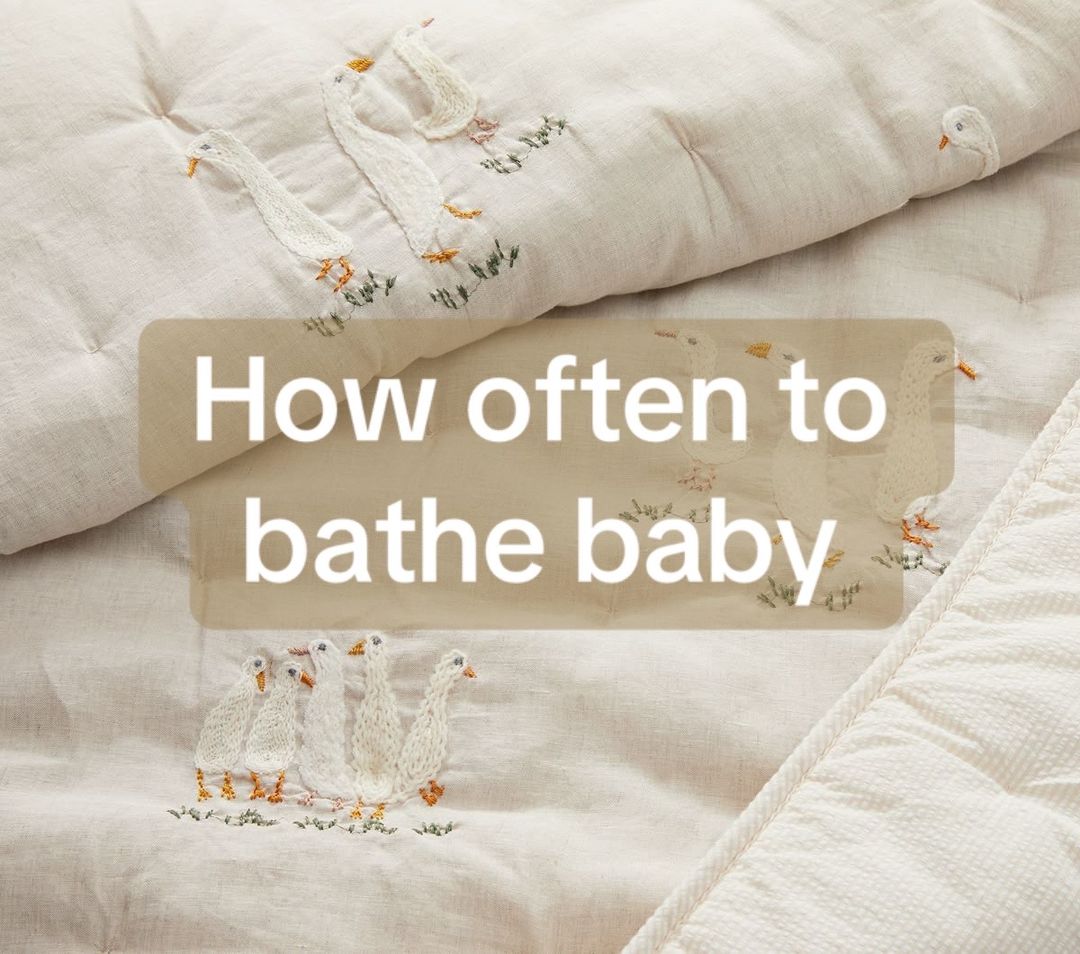
Soft, neutral-toned close-up of a baby blanket with embroidered geese, overlaid with a semi-transparent text box.
@baby.themes carousel breakdown
Baby Themes
Keep your baby clean!! #babythemes #babynames #baby #babynameideas #fyp #newborn #firsttimemom #newbornbaby #firsttimedad #babyfacts #babygirl #girlnames #girlmom #girlnamesilove #girlnamesifindcute #babyboy #boynames #boymom #boynamesilove #postpartum #postpartumjourney #outfitinspo #outfit #pregnant #pregnacy #pregnacyjourney
Effectiveness score
9/10
Views
1.2M
Likes
55.9K
Saves
38.3K
Engagement
8.5%
Hook
How often to bathe baby
Goal
educate
Offer
information
CTA
find out more: bbox.com.au
Caption
Keep your baby clean!! #babythemes #babynames #baby #babynameideas #fyp #newborn #firsttimemom #newbornbaby #firsttimedad #babyfacts #babygirl #girlnames #girlmom #girlnamesilove #girlnamesifindcute #babyboy #boynames #boymom #boynamesilove #postpartum #postpartumjourney #outfitinspo #outfit #pregnant #pregnacy #pregnacyjourney
Strategic Summary
This carousel succeeds on pure utility and authority. It uses a low-friction aesthetic hook (Slide 1) to stop the scroll, then delivers a high-density, medically-cited reference guide (Slide 2) that triggers massive save behavior. The engagement profile (low likes, massive saves/shares) confirms this is treated as a functional tool for anxious first-time parents rather than entertainment content.
The Winning Formula
Anxiety-reducing question hook on an aspirational nursery backdrop + dense, authority-backed reference guide per age stage.
What's working
- •Slide 1 uses the 'Duck Quilt' aesthetic — a specific sub-cultural signifier of modern, wealthy-mom nursery trends ('sad beige' adjacent but better) — stopping the scroll for the lifestyle appeal before they even read the text.
- •The bookmark rate (5.3x norm) indicates the content successfully positioned itself as an external memory aid; users feel they 'need' to own this answer to solve a recurring worry.
- •Slide 2 validates the content via the World Health Organization (WHO), neutralizing the skepticism that often comes with parenting advice from non-expert influencers.
- •The age breakdown (0, 1-3, 3-6, 6-12) creates a 'future-proofing' value; even moms of 1-month-olds save it because they see value in the 6-month section later.
What's not working
- •Slide 2 is text-heavy and visually disconnects from Slide 1; a creator who relies on the 'aesthetic feed' (Slide 1) risks alienating followers who hate the sudden switch to the corporate-blue infographic style of Slide 2.
Viral lesson
If you solve a specific anxiety that requires a complex answer, the format matters less than the density of the solution; users will forgive aesthetic breaks for high-utility answers.
Can a small creator replicate this? Non-celebrity creators can replicate this by targeting high-anxiety knowledge gaps (legal, medical, technical) and providing a single-sheet reference guide that includes expert citations or specific timelines.
Structural Formula (steal-the-format)
Structure pattern
Aesthetic Lifestyle Hook (Slide 1) + Dense Timeline Infographic (Slide 2) that scales with the user's growth.
Copy formula
Direct question hook -> Age-segmented advice blocks citing medical authority.
What to swap (concrete remixes)
- •Swap 'Bathing' for 'Weaning' to create a formula for a 'When to start solids' guide for 6-month parents.
- •Swap 'Newborn' for 'Teenager' to create a 'Digital Safety' guide for parents of teens, using the same anxiety-reduction framing.
- •Swap 'Bath frequency' for 'Mortgage Rates' to create a 'Real Estate Guide', using expert citations to justify the swipe and save.
What NOT to copy
Do not copy the aesthetic break between Slide 1 and 2 without a strong reason; this works only because the 'Payoff' (the answer) is more valuable than the visual consistency.
Aesthetics
Soft, neutral nursery photography hook transitioning into a clinical, educational infographic body.
Color palette
What it conveys: The overall aesthetic moves from 'dreamy baby idealism' to 'reassuring safety,' effectively calming the parent's initial anxiety.
Slide-by-slide forensics
1hookclose upCalm, soft, safeworks:yesgrab:90/100aesthetic:95/100How often to bathe baby
How often to bathe baby
Visual description
A high-aesthetic close-up of a crib or bedding. The fabric is white/cream linen with embroidered white ducks with yellow feet and green floral accents. The lighting is soft, diffuse, and natural, creating a 'dreamy nursery' mood. A semi-transparent beige text box overlays the center.
Scene setting
Aesthetic neutral nursery bedding
Visible objects
vs prior slide
Style: Slide 1 is photo-realism; Slide 2 is vector art infographic — a complete style break.
Story: No progression — Slide 1 asks a question, Slide 2 answers it directly.
Predicted audience reaction
Target audience stops because the bedding matches their desired lifestyle aesthetic, then reads the text to confirm relevance.
Verdict: The duck embroidery signals 'modern, aesthetic baby' immediately, filtering for the right demographic before the text is even read.
2payoffinfographicInformative, clinical, reassuringworks:yesgrab:40/100aesthetic:60/100how often does a baby need a bath?
newborn
The World Health Organization recommends where possible, delaying baby's first bath until 24 hours after birth, when baby's body temperature has stabilised. Babies are born with a natural barrier on their skin called vernix, which helps protect against infection and skin dryness. Washing this off can make the baby more susceptible to infection.
0 month
Newborns do not need to be bathed every day, two or three baths per week is generally sufficient. Until baby's umbilical cord stump falls off (usually within 1-2 weeks after birth) it is better to clean your baby with a wet sponge or soft cloth instead of submerging baby in the water.
1 - 3 months
As baby grows you can continue the two to three times per week bathing schedule. Once baby's belly button heals, slowly introduce traditional baths where baby's whole body is in the water. Baby should never be left unattended in the bath. In the cooler months bath time should be limited to no more than 10 minutes to keep baby comfortable.
3 - 6 months
Baby will need to be washed more frequently once basic solids are introduced. You can combine traditional baths with sponge baths as required.
6 - 12 months
As baby learns to sit independently, crawl and walk they will need bathing every other day. Bath time will become more engaging and fun. As baby grows and moves more independently it may be time to consider transitioning bath time to the family tub.
The information provided is a general recommendation only. If you have any concerns or questions about your baby's needs, please consult your health care professional for advice
find out more: bbox.com.au @bboxesforkids
how often does a baby need a bath? newborn The World Health Organization recommends where possible, delaying baby's first bath until 24 hours after birth, when baby's body temperature has stabilised. Babies are born with a natural barrier on their skin called vernix, which helps protect against infection and skin dryness. Washing this off can make the baby more susceptible to infection. 0 month Newborns do not need to be bathed every day, two or three baths per week is generally sufficient. Until baby's umbilical cord stump falls off (usually within 1-2 weeks after birth) it is better to clean your baby with a wet sponge or soft cloth instead of submerging baby in the water. 1 - 3 months As baby grows you can continue the two to three times per week bathing schedule. Once baby's belly button heals, slowly introduce traditional baths where baby's whole body is in the water. Baby should never be left unattended in the bath. In the cooler months bath time should be limited to no more than 10 minutes to keep baby comfortable. 3 - 6 months Baby will need to be washed more frequently once basic solids are introduced. You can combine traditional baths with sponge baths as required. 6 - 12 months As baby learns to sit independently, crawl and walk they will need bathing every other day. Bath time will become more engaging and fun. As baby grows and moves more independently it may be time to consider transitioning bath time to the family tub. The information provided is a general recommendation only. If you have any concerns or questions about your baby's needs, please consult your health care professional for advice find out more: bbox.com.au @bboxesforkids
Visual description
A flat, light-blue infographic background with darker blue text. The layout uses a vertical timeline format with circular baby icons on the left and text blocks on the right. It is utilitarian, clean, and designed for maximum readability and scanning.
Scene setting
Digital infographic canvas
Other text elements
- •Circular icons of babies in different stages (swaddled, crawling, smiling).
- •Footer disclaimer about general recommendations.
- •Branding: bbox.com.au @bboxesforkids
vs prior slide
Style: Drastic jump from moody photography to flat vector graphics; however, the color palette (soft whites/blues) remains gentle.
Story: Direct answer — provides the specific timeline and medical logic requested by the hook.
Predicted audience reaction
Users will scan for their baby's age, screenshot specific sections, and save the entire slide for future reference.
Verdict: The text density is high, but the clear age headers and WHO citation justify the dwell time; users are getting exactly the relief they came for.
Commerce intent
Comment ethnography
A community of anxious first-time parents who prefer evidence-based, actionable routines over emotional fluff.
Comments that characterize the audience
- "Data-driven moms/dads saving this as a checklist"
- "Parents of newborns actively looking for permission to do less (2-3 baths a week)"
- "Visual learners who prefer an infographic over a talking-head video"
Pain points revealed
- •Fear of infection (umbilical cord care)
- •Fear of damaging baby's skin barrier (vernix)
- •Confusion over frequency of care as baby grows
Aspirations revealed
- •To be a competent, safe, and hygienic parent
- •To have a calm, medically sound routine
Objections
- •Skepticism of 'influencer' advice (mitigated by the slide's WHO citation)
Diagnostics
Hook deep-dive
How often to bathe baby
The user swipes because the question addresses a daily, high-stakes task (hygiene/safety) with a simple promise: 'I just need to know the frequency, tell me.'
Engagement read
The post has a massive Save-to-Like ratio (nearly 1:1.5), indicating users are archiving this as a permanent reference tool rather than engaging with it as a social post.
Mechanics
The promise of a definitive timeline — users swipe to find their baby's specific age bracket.
Brand & funnel
Brands visible
Buying-journey moment: User is in the 'research' phase, looking for actionable, safe advice to reduce anxiety about a new responsibility.
Ideal Customer Profile
Anxious first-time parents or expectant parents seeking reliable, bite-sized guidance on newborn care.
Age
25-34
Gender
female
Readability
simple
Interests
Pain Points
Aspirations
Emotional Profile
Primary Emotion
reassuranceIntensity
Effectiveness
Emotions Evoked
Emotional Arc
curiosity → relief → validation
Why It Lands
The content moves the viewer from a state of mild anxiety (not knowing the 'right' way) to a state of calm relief by providing a clear, expert-backed answer.
Writing Analysis
Style
educational
Tone
calm
Hook Type
question
Quality
The writing is exceptionally clear, concise, and devoid of fluff. It respects the reader's time by getting straight to the point and using structured headers for different age groups.
Effectiveness
Goal Achievement
The post achieved its goal perfectly. The high bookmark-to-like ratio indicates it is being treated as a reference guide rather than just entertainment.
Why It Spread
high utility value (parents save this to reference later)
authoritative source (WHO) reduces friction to share
clean, aesthetic design that fits the 'baby' niche perfectly
Content DNA
The CTA is functional but weak; it directs to a website rather than encouraging engagement like 'save this for later' or 'tag a new mom'.
Narrative Arc
The tension is resolved immediately on the second slide, turning the content into a reference tool that users bookmark.
Psychological Blueprint
Why It Spread
The post succeeded by solving a high-anxiety, low-stakes question for new parents with extreme efficiency. By citing the World Health Organization, it bypassed the 'is this advice safe?' barrier, making it highly shareable and bookmarkable for parents who want to keep the information for later. The 8.53% engagement rate, driven by a massive number of bookmarks, proves it functions as a 'utility' post that users save to their personal library.
Framework
authority then teachPrimary Tactic
authorityTactics Used
curiosity gap on slide 1 — poses a common question that every new parent has
authority signaling on slide 2 — citing the 'World Health Organization' to build immediate trust
visual anchoring on slide 2 — using clear age-based icons to make complex information digestible
Cognitive Biases
authority bias — citing the WHO makes the information feel indisputable
anchoring — the hook anchors the viewer on a specific pain point (bathing frequency)
information bias — the desire to know the 'correct' frequency of bathing
Tribal Markers
Trust Signals
Slide Breakdown (2 analyzed)
Hook Analysis
It works because it addresses a specific, common, and anxiety-inducing question for new parents without any unnecessary preamble.
Text
How often to bathe baby
Visual
Soft, neutral-toned close-up of a baby blanket with embroidered geese, overlaid with a semi-transparent text box.
Visual Elements
Color Palette
Copy Analysis
Power Words
Open Loop: yes — it promises a definitive answer to a common parenting question.
Visual Psychology
Attention: headline text
Emotional cue: the soft, neutral aesthetic evokes a sense of calm and safety associated with newborn care.
Composition: centered text creates a sense of authority and focus.
Text
how often does a baby need a bath? newborn: The World Health Organization recommends... 0 month: Newborns do not need to be bathed every day... 1-3 months: As baby grows you can continue... 3-6 months: Baby will need to be washed more frequently... 6-12 months: As baby learns to sit independently...
Visual
A clean, light blue infographic with circular icons representing different baby ages and concise text blocks for each stage.
Visual Elements
Color Palette
Copy Analysis
Power Words
Open Loop: no — it provides the full answer requested by the hook.
Visual Psychology
Attention: the age-based icons
Emotional cue: the clean, organized layout provides a sense of control and order to the viewer.
Composition: the vertical, chronological flow makes complex information feel easy to digest.
Comment Intelligence
Sentiment
NeutralResonance
Intent
educate
Audience Vibe
The comments section is sparse, which is common for high-utility 'reference' posts where users prefer to bookmark rather than engage in discussion.
Standout Quotes
“Saving this for when the baby arrives.”
“So helpful, thank you!”
“Exactly what I needed to know.”