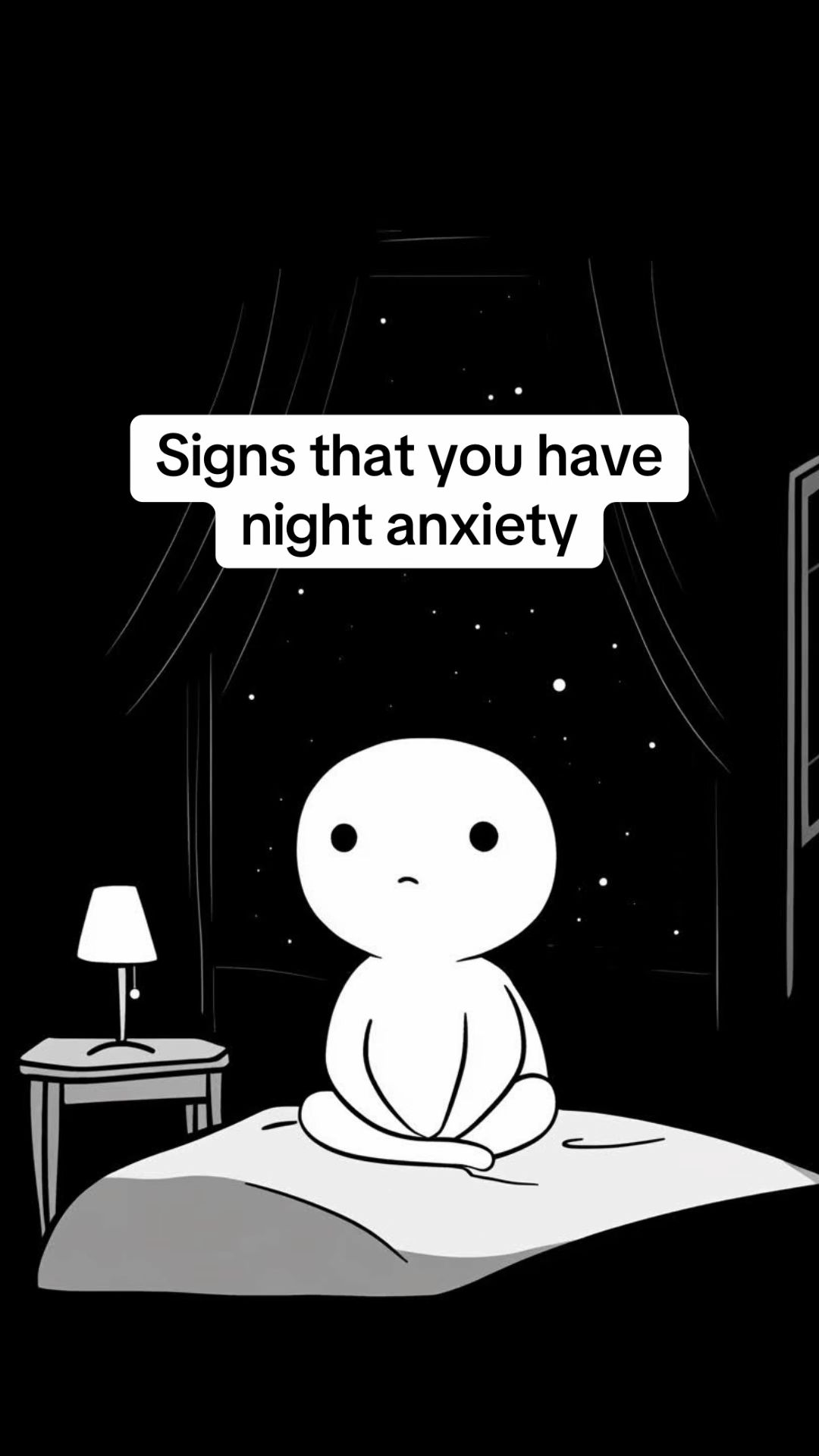
It uses a direct address to a specific pain point that the target audience experiences daily, making it impossible to scroll past if you suffer from the issue.
Slide Text
Signs that you have night anxiety
Visual
A simple, white, round-headed character sitting on a bed in a dark room with a window showing stars.
All Slides
@huggersapp carousel breakdown
Huggers
Anxiety at night is hard to deal with. The app is called Huggers #anxietyrelief #anxiety #nightanxiety
Effectiveness score
9/10
Views
542.3K
Likes
43.5K
Saves
8.2K
Engagement
9.8%
Hook
Signs that you have night anxiety
Goal
grow-following
Offer
product
CTA
Things that can help: [List of tools in the app]
Caption
Anxiety at night is hard to deal with. The app is called Huggers #anxietyrelief #anxiety #nightanxiety
Strategic Summary
This carousel went viral because it validates a specific, often unspoken struggle (night anxiety) through relatable minimalist art before offering a tangible solution. The high bookmark rate (2.5x norm) indicates users are saving this as a resource toolkit, not just for entertainment. The black-and-white aesthetic creates a somber, safe mood that matches the topic, reducing scroll fatigue.
The Winning Formula
Specific pain point validation via minimalist art + actionable solution list = high save rate.
What's working
- •Slide 1 hook directly addresses a specific niche pain point ('night anxiety') rather than general anxiety, filtering for high-intent viewers.
- •Slides 2-7 use a consistent, low-stakes character to depict high-stakes emotions, lowering defense mechanisms and encouraging self-identification.
- •Slide 8 pivots from problem to solution without feeling like a hard sell, listing features (Brown noise, PMR) before showing the app UI.
- •High contrast black/white visuals stop the scroll in a typically colorful feed, signaling 'serious content'.
What's not working
- •Slide 7 ('write it all down') might feel contradictory to Slide 2 ('overwhelmed by thoughts') for some, causing minor cognitive friction.
- •The app name 'Huggers' is only mentioned in the caption and implied in Slide 8; explicit branding on the final CTA could improve direct recall.
Viral lesson
Validation content drives saves when it articulates a feeling the audience couldn't name themselves.
Can a small creator replicate this? High. Any app or service can use the 'Signs you have [Problem]' format followed by 'Things that help [Solution]' using consistent illustrative assets.
Structural Formula (steal-the-format)
Structure pattern
7-slide problem validation list using consistent character art, followed by 1-slide solution resource list.
Copy formula
Second-person direct address ('You feel...') + specific symptom description.
What to swap (concrete remixes)
- •Swap 'night anxiety' for 'Sunday Scaries' for career-corporate-burnout audience.
- •Swap 'anxiety symptoms' for 'breakup signs' for relationship advice niche.
What NOT to copy
Do not copy the specific 'sad blob' character style unless it fits your brand identity; the principle is visual consistency, not this specific art.
Aesthetics
Minimalist black-and-white line art with a 'sad cartoon' emotional tone.
Color palette
What it conveys: The overall aesthetic creates a quiet, somber, and safe feeling that mirrors the experience of night anxiety.
Slide-by-slide forensics
1hookillustrationcuriosity, relatabilityworks:yesgrab:95/100aesthetic:90/100Signs that you have night anxiety
Signs that you have night anxiety
Visual description
Minimalist black and white line drawing of a round-headed character sitting cross-legged on a bed. Dark room with a window showing stars. A small lamp is on the nightstand.
Scene setting
dark bedroom at night
Visible people
Visible objects
Predicted audience reaction
Immediate self-identification; users stop scrolling to see if the signs apply to them.
Comments reacting to this slide
- "How did you know that I have that?"
Verdict: Directly addresses the viewer with a specific condition, filtering for relevance immediately.
2setupillustrationoverwhelmworks:yesgrab:80/100aesthetic:85/100You feel overwhelmed by your thoughts
You feel overwhelmed by your thoughts
Visual description
Character sitting on the floor surrounded by scattered papers with scribbles. Light streams in from a window. The character looks down at the papers.
Scene setting
bedroom floor with scattered papers
Visible people
Visible objects
vs prior slide
Style: Same black and white line art style, same character design.
Story: Moves from the hook to the first specific symptom.
Predicted audience reaction
Nodding in agreement; recognizing the visual metaphor of scattered thoughts.
Verdict: Strong visual metaphor for mental clutter that resonates with the target audience.
3setupillustrationlonelinessworks:yesgrab:80/100aesthetic:85/100You seek comfort but feel alone
You seek comfort but feel alone
Visual description
Character standing by a large window looking out at a starry night sky. Arms crossed, looking small against the dark window.
Scene setting
bedroom window at night
Visible people
Visible objects
vs prior slide
Style: Consistent art style and color palette.
Story: Adds an emotional layer (loneliness) to the cognitive layer (overwhelm).
Predicted audience reaction
Feeling seen in their isolation; emotional connection deepens.
Comments reacting to this slide
- "You seek comfort but feel alone"
Verdict: Captures the specific isolation of night anxiety distinct from daytime anxiety.
4setupillustrationentrapmentworks:yesgrab:80/100aesthetic:85/100You feel trapped and isolated
You feel trapped and isolated
Visual description
Character sitting on the floor hugging knees against a wall in a hallway. A light switch is visible on the wall. Bedroom door is open in the background.
Scene setting
hallway outside bedroom
Visible people
Visible objects
vs prior slide
Style: Consistent art style and color palette.
Story: Escalates the feeling from loneliness to physical sensation of being trapped.
Predicted audience reaction
Visceral recognition of the physical sensation of anxiety.
Verdict: Visualizes the 'trapped' feeling effectively through composition.
5setupillustrationexhaustionworks:yesgrab:80/100aesthetic:85/100You feel exhausted but can't relax
You feel exhausted but can't relax
Visual description
Character lying flat on the floor, limbs splayed, looking up at the ceiling. Bed is visible in the corner but unused.
Scene setting
bedroom floor
Visible people
Visible objects
vs prior slide
Style: Consistent art style and color palette.
Story: Describes the physical contradiction of anxiety (tired but wired).
Predicted audience reaction
Strong agreement; this is a hallmark symptom of the condition.
Verdict: Accurately depicts the paralysis of anxiety-induced exhaustion.
6setupillustrationseeking safetyworks:yesgrab:80/100aesthetic:85/100You try to create a safe space to escape your thoughts
You try to create a safe space to escape your thoughts
Visual description
Character sitting inside a blanket fort on the floor, illuminated by a soft light from within. Holding a small object (phone/book).
Scene setting
blanket fort on bedroom floor
Visible people
Visible objects
vs prior slide
Style: Consistent art style and color palette.
Story: Shows a coping mechanism users likely recognize.
Predicted audience reaction
Nostalgia or recognition of regression behaviors during stress.
Verdict: Visualizes a specific, relatable coping behavior.
7setupillustrationfrustrationworks:partialgrab:80/100aesthetic:85/100You try to write it all down but it feels like too much
You try to write it all down but it feels like too much
Visual description
Character sitting at a desk with a lamp, writing on paper. Head is bowed, posture suggests fatigue.
Scene setting
desk at night
Visible people
Visible objects
vs prior slide
Style: Consistent art style and color palette.
Story: Shows another coping mechanism failing.
Predicted audience reaction
Recognition of the futility of journaling when overwhelmed.
Verdict: Good content, but might feel repetitive after Slide 2 (papers on floor).
8ctascreenshothope, solutionworks:yesgrab:85/100aesthetic:80/100Things that can help: PMR, Binaural beats, Brown noise, Sleep hypnosis, Vibration therapy
Things that can help: PMR, Binaural beats, Brown noise, Sleep hypnosis, Vibration therapy
Visual description
A smartphone screen displaying the Huggers app interface. Various tool cards are visible (Brown Noise, Heartbeat, Vibration Therapy). Text overlays highlight specific features.
Scene setting
smartphone screen close-up
Visible people
Visible objects
Products on screen
Other text elements
- •Exercises & Tools
- •Brown Noise
- •Heartbeat 65 Bpm
- •Stress reduction
- •Popular
- •Vibration Therapy
- •Deep sleep
- •Breathing Exercises
- •Home
- •Learn
- •Explore
- •Journal
vs prior slide
Style: Shifts from illustration to UI screenshot, signaling the solution phase.
Story: Provides the solution to the problems listed in slides 1-7.
Predicted audience reaction
Relief and curiosity; saving the slide to try the tools later.
Comments reacting to this slide
- "Brown noise helps me relax"
Verdict: Offers tangible value (tools) which drives the high bookmark rate.
Commerce intent
Mentioned products
Buy-intent phrases (from comments)
- •maybe night anxiety is the reason why I have insomnia
Comment ethnography
A community of insomniacs finding solace in shared symptoms and validating each other's experiences.
Comments that characterize the audience
- "maybe night anxiety is the reason why I have insomnia"
- "so that's what's wrong with me"
- "I'm in bed having night anxiety rn"
Pain points revealed
- •insomnia
- •health anxiety
- •stomach hurts suddenly
- •crying before sleep
Aspirations revealed
- •sleep
- •relaxation
- •feeling understood
Top questions asked
- •is it normal?
- •How did you know that I have that?
Diagnostics
Hook deep-dive
Signs that you have night anxiety
Users want to confirm if they fit the profile described in the hook.
Engagement read
Bookmark rate is 2.5x the library norm, indicating high utility value over pure entertainment.
Mechanics
'Is this me?' self-audit loop keeps users swiping to confirm diagnosis.
Brand & funnel
Brands visible
Buying-journey moment: The viewer has identified their problem and is now evaluating solutions.
Ideal Customer Profile
Young adults struggling with chronic nighttime anxiety, overthinking, and insomnia who are looking for accessible, non-clinical self-soothing tools.
Age
18-24
Gender
neutral
Readability
simple
Interests
Pain Points
Aspirations
Emotional Profile
Primary Emotion
validationIntensity
Effectiveness
Emotions Evoked
Emotional Arc
recognition → validation → relief → solution
Why It Lands
The content moves from identifying a painful state (anxiety) to validating that the user is not alone, which creates an immediate emotional bond and trust with the brand.
Writing Analysis
Style
listicle
Tone
relatable
Hook Type
relatable observation
Quality
The writing is incredibly concise and empathetic. It avoids clinical jargon, opting for simple, punchy phrases that hit home immediately.
Effectiveness
Goal Achievement
The high save-to-view ratio and engagement rate suggest the content was highly effective at building a community of users who find the app's features relevant to their daily lives.
Why It Spread
high relatability of the 'night anxiety' experience
the 'saveable' nature of the final slide (a list of tools)
the simple, aesthetic, and non-intrusive visual style
Content DNA
It is a soft, value-driven CTA. It doesn't explicitly ask for a download, but presents the app as the solution to the problems previously listed.
Narrative Arc
The flow is a steady build of empathy, where each slide confirms a specific symptom, leading the user to feel more understood until the final slide offers the solution.
Psychological Blueprint
Why It Spread
The carousel succeeded because it perfectly mirrored the internal experience of the target audience, turning a private, isolating struggle into a shared, relatable moment. By using a simple, non-threatening character, it removed the friction of 'talking head' content, allowing users to project their own feelings onto the character. The high save rate (8,172) indicates that users found the content highly valuable and wanted to return to it during future moments of anxiety.
Framework
PASPrimary Tactic
validationTactics Used
validation on slides 2-7 — naming specific, relatable symptoms of anxiety
curiosity gap on slide 1 — 'signs that you have...' implies a list to be checked
tribal signaling — using 'you' to create a direct, intimate conversation with the viewer
visual pattern interrupt — the consistent, simple, black-and-white character style stands out in a feed of high-production video
Cognitive Biases
Barnum effect — the statements are broad enough to apply to almost anyone with mild anxiety, making the viewer feel 'seen'
social comparison — the viewer compares their internal state to the character's visual representation
Tribal Markers
Trust Signals
Slide Breakdown (2 analyzed)
Hook Analysis
It uses a direct address to a specific pain point that the target audience experiences daily, making it impossible to scroll past if you suffer from the issue.
Text
Signs that you have night anxiety
Visual
A simple, white, round-headed character sitting on a bed in a dark room with a window showing stars.
Visual Elements
Color Palette
Copy Analysis
Power Words
Open Loop: yes — the viewer wants to know if they have these signs
Visual Psychology
Attention: the character's face
Gaze: looking forward
Emotional cue: the dark, lonely setting
Composition: to establish a mood of solitude and nighttime reflection
Text
You feel overwhelmed by your thoughts
Visual
The character sitting on the floor surrounded by scattered papers.
Visual Elements
Color Palette
Copy Analysis
Power Words
Open Loop: yes — keeps the user swiping to see if other symptoms match
Visual Psychology
Attention: the character
Gaze: downward
Emotional cue: the clutter representing mental chaos
Composition: to visualize the feeling of mental clutter
Comment Intelligence
Sentiment
PositiveResonance
Intent
grow-following
Audience Vibe
The comments are a mix of people feeling seen and tagging friends who also struggle with anxiety.
Standout Quotes
“I feel so seen right now.”
“This is literally me every single night.”
“I didn't know there was a name for this.”
Top Comments
maybe night anxiety is the reason why I have insomnia
me with my health anxiety
Brown noise helps me relax
Whoever’s reading this, Jesus Christ is real and king. He died on the cross for our sins and we must acknowledge that. Lastly, remember to live for his word. (this copy paste is to spread the gospel)
So i have anxiety.