Slide Text
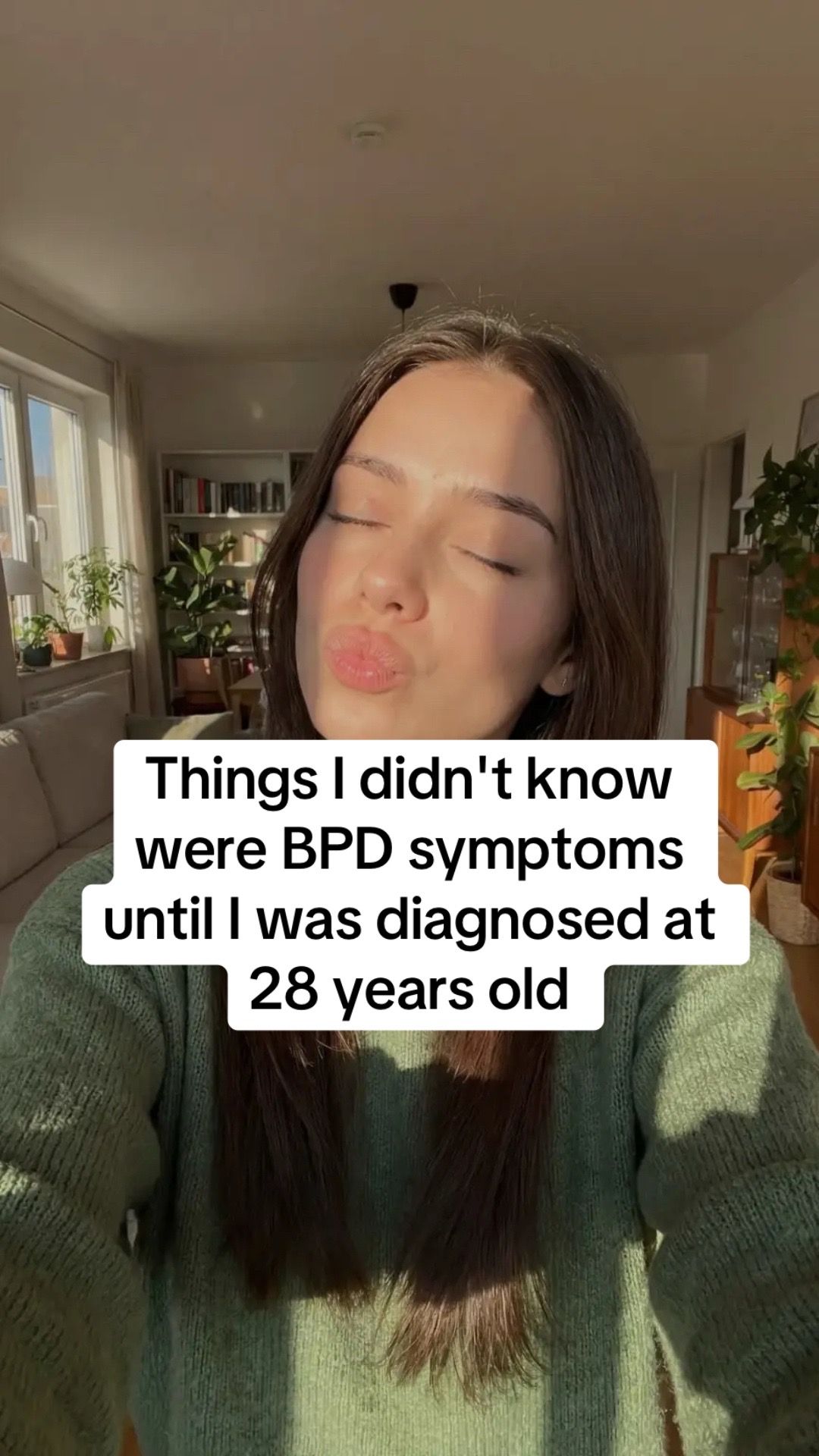
Things I didn't know were BPD symptoms until I was diagnosed at 28 years old
Visual
Creator looking at camera, soft natural lighting, cozy home aesthetic.
All Slides
@daily.mental.tips carousel breakdown
Mental Health Tips
Stay strong ❤️❤️ note: please DO NOT self diagnose yourself from things you see on social media, this post is just me sharing my experience with bpd #bpd #bpdawareness #MentalHealth
Effectiveness score
8/10
Views
262.3K
Likes
15.4K
Saves
5.6K
Engagement
8.6%
Hook
Things I didn't know were BPD symptoms until I was diagnosed at 28 years old
Goal
build-community
Offer
information
CTA
none
Caption
Stay strong ❤️❤️ note: please DO NOT self diagnose yourself from things you see on social media, this post is just me sharing my experience with bpd #bpd #bpdawareness #MentalHealth
Strategic Summary
The carousel pairs highly relatable, deeply internal emotional experiences with calming, aesthetic 'faceless' B-roll imagery. By framing severe clinical symptoms as 'things I didn't know were symptoms,' it lowers the barrier for self-identification and drives mass saves from users who feel finally understood. It seamlessly weaves in an app recommendation without breaking the confessional tone.
The Winning Formula
Late-diagnosis vulnerability + hyper-specific internal symptom descriptions + calming aesthetic backgrounds.
What's working
- •Slide 1 uses an age-specific late-diagnosis hook ('diagnosed at 28') which validates older viewers who feel they missed the boat (proven by comments: 'Diagnosed at 50', 'Diagnosed at 40').
- •Symptom descriptions go beyond clinical terms (e.g., 'Fear of abandonment') into visceral, physical reactions ('My body would physically react...').
- •Using soft, beautifully lit, calm aesthetic B-roll for heavy mental health topics creates a safe, non-threatening viewing environment.
- •The app plug on slide 6 is buried natively within a symptom description, avoiding the immediate 'swipe away' reflex of a dedicated ad slide.
What's not working
- •The Venty app name-drop on slide 6 triggered some ad-skepticism in comments ('everyone I watch... talks about the vent app... it's just an ad').
- •Low overall comment rate suggests the content is too heavily personal for casual public engagement, though the save rate compensates intensely.
Viral lesson
Translating clinical diagnostic criteria into hyper-specific, everyday internal dialogues creates intense self-validation and drives massive 'save' behavior.
Can a small creator replicate this? Highly replicable for any condition, personality type, or life transition by using the 'Things I didn't know were XYZ until...' hook paired with aesthetic B-roll and deeply specific personal anecdotes.
Structural Formula (steal-the-format)
Structure pattern
8-slide listicle starting with a personal face-to-camera diagnosis hook, followed by 7 slides of clinical symptoms translated into highly specific, first-person behavioral anecdotes over calming, faceless B-roll.
Copy formula
symptom name header + contextual explanation of how it physically/mentally felt in daily life
What to swap (concrete remixes)
- •Swap BPD for ADHD/Autism/OCD for a neurodivergent audience.
- •Swap clinical diagnosis for a relationship dynamic (e.g., 'Things I didn't realize were trauma responses until I left my toxic marriage').
- •Swap mental health for physical health (e.g., 'Things I didn't know were PCOS symptoms until I was 30').
What NOT to copy
Do not copy the exact symptoms or use stock clinical dictionary definitions; the virality hinges entirely on describing the visceral, hyper-specific physical and emotional way the symptom is experienced in private.
Aesthetics
Warm-toned, sun-drenched lifestyle B-roll with distinct shadows, overlaid with native TikTok white text boxes.
Color palette
What it conveys: The imagery feels incredibly calming, safe, and aspirational, which creates a striking, comforting contrast to the heavy, painful mental health symptoms being described in the text.
Slide-by-slide forensics
1hookselfiereflectiveworks:yesgrab:80/100aesthetic:85/100Things I didn't know were BPD symptoms until I was diagnosed at 28 years old
Things I didn't know were BPD symptoms until I was diagnosed at 28 years old
Visual description
A selfie of a young brunette woman wearing a green knit sweater. Her eyes are closed and she is making a kiss face. She is bathed in warm, natural sunlight coming from a window to her left.
Scene setting
sunny living room
Visible people
Predicted audience reaction
Immediate curiosity from anyone who suspects they might be neurodivergent or who was recently diagnosed with a mental health condition.
Comments reacting to this slide
- "Diagnosed at 50 , makes so much sense why my life turned out like it did"
- "Diagnosed at 40 makes me understand my life now"
- "i just got diagnosed at 23 after them labeling me as bipolar for 10 years :("
Verdict: It establishes immediate credibility, vulnerability, and a specific age that validates folks diagnosed later in life.
2step in listlifestyle shotanxiousworks:yesgrab:60/100aesthetic:75/100Fear of abandonment
My body would physically react when I thought someone was pulling away from me. Even if they were just busy or needed space, my brain went straight to "they're leaving"
Fear of abandonment My body would physically react when I thought someone was pulling away from me. Even if they were just busy or needed space, my brain went straight to "they're leaving"
Visual description
A bright, outdoor lifestyle shot. A bouquet of pink, red, and yellow tulips wrapped in brown paper rests on the grey fabric front passenger seat of a car.
Scene setting
front seat of a car
Visible objects
vs prior slide
Style: The text box styling remains identical (black text on white rounded box), though the background transitions from selfie to B-roll.
Story: Moves from the promise of the hook into the first piece of concrete evidence (Symptom 1).
Predicted audience reaction
Visceral self-recognition; viewers recall moments they panicked over an unreturned text.
Comments reacting to this slide
- "fear of abandoment is because my parents literally left me, I realised that Im just perfect and its everyone else around me that has the issues😂"
Verdict: It describes 'abandonment issues' not as a clinical term, but as a severe physical bodily reaction.
3step in listmedium shotdetachedworks:yesgrab:70/100aesthetic:85/100My personality changed depending on who I was with
I didn't even notice it for years. I'd become a completely different person around different people because I genuinely didn't know which version of me was real
My personality changed depending on who I was with I didn't even notice it for years. I'd become a completely different person around different people because I genuinely didn't know which version of me was real
Visual description
A warm, aesthetically pleasing interior room. A dark wooden display cabinet holds books and objects, partially obscured in the foreground by large, dark green Alocasia plant leaves. Sunlight casts sharp window blind shadows on the wall.
Scene setting
aesthetic living room corner
Visible objects
vs prior slide
Style: Continues the pattern of warm-lit, aesthetic, faceless B-roll behind identical text boxes.
Story: Introduces a more deeply psychological, identity-level symptom compared to the relational fear in slide 2.
Predicted audience reaction
Deep psychological resonance; 'identity disturbance' is a core BPD trait that viewers heavily relate to.
Comments reacting to this slide
- "we are essentially a mirror. cause we don't know who we are underneath."
Verdict: It perfectly articulates 'identity diffusion' in plain, highly relatable language, sparking the top comment.
4step in listlifestyle shotunstableworks:yesgrab:60/100aesthetic:80/100Intense relationships that moved way too fast
I'd meet someone and within days they were my entire world. Then one small thing would happen and I'd flip to wanting nothing to do with them
Intense relationships that moved way too fast I'd meet someone and within days they were my entire world. Then one small thing would happen and I'd flip to wanting nothing to do with them
Visual description
A cozy bedroom view. A bed with white, thick, fluffy linens sits in the foreground with an open book resting on the covers. The background is a window showcasing trees with green and autumn-yellow leaves under a blue sky.
Scene setting
close up of bed by a window
Visible objects
vs prior slide
Style: Maintains the warm, aspirational, quiet lifestyle imagery.
Story: Pivots from internal identity issues back to interpersonal relationship chaos.
Predicted audience reaction
Guilt and validation over past ruined friendships and romantic relationships.
Verdict: It describes the classic BPD 'idealization and devaluation' cycle seamlessly in layman's terms.
5step in listwide shothollowworks:yesgrab:75/100aesthetic:90/100Chronic emptiness
This hollow, bored feeling that never fully went away. Even when things were objectively good I still felt like something was missing and I couldn't figure out what
Chronic emptiness This hollow, bored feeling that never fully went away. Even when things were objectively good I still felt like something was missing and I couldn't figure out what
Visual description
A lush, scenic landscape. A sprawling field of white and yellow daisies fills the foreground. In the background, a large, snow-capped mountain sits beneath a dramatic sunset/sunrise sky.
Scene setting
mountain wildflower field
Visible objects
vs prior slide
Style: Swaps interior lifestyle to grand nature, but maintains the high-quality, beautiful aesthetic.
Story: Introduces a lingering baseline emotional state rather than a reactionary one.
Predicted audience reaction
Melancholic agreement, feeling understood in ways they struggle to articulate to family.
Verdict: The juxtaposition of a breathtakingly beautiful landscape against text describing 'hollow emptiness' is artistic and emotionally striking.
6step in listclose upoverwhelmedworks:yesgrab:70/100aesthetic:85/100Emotions that were way too big for the situation
A slightly cold text could send me into a spiral that lasted the rest of the day. I couldn't understand why I felt everything so deeply when other people seemed fine
I've been using an app called Venty recently and it's helped me a lot with this
Emotions that were way too big for the situation A slightly cold text could send me into a spiral that lasted the rest of the day. I couldn't understand why I felt everything so deeply when other people seemed fine I've been using an app called Venty recently and it's helped me a lot with this
Visual description
A tall, uneven stack of thick books sits on the floor or a low table next to a wall. The scene is illuminated by strong, warm sunlight filtering through window blinds, casting dominant horizontal shadows across the books and wall.
Scene setting
sunlit room with stacked books
Visible objects
Products on screen
vs prior slide
Style: Returns to the warm, interior shadow-play aesthetic established in slides 3 and 4.
Story: Slides in a product recommendation naturally at the end of a very relatable problem description.
Predicted audience reaction
Agreement with the emotional dysregulation, followed by slight defensive skepticism about the app plug.
Comments reacting to this slide
- "I’m genuinely so confused because everyone I watch of these always talks about the vent app and then I’m like it’s just an ad or like what the fuck is going on"
Verdict: Commercially, it successfully plugs the app without breaking the visual format, though the audience is smart enough to spot the pattern.
7step in listwide shotunstableworks:partialgrab:60/100aesthetic:80/100Splitting on people I love
One moment they were perfect, next moment I was convinced they didn't care about me at all. There was no in between
Splitting on people I love One moment they were perfect, next moment I was convinced they didn't care about me at all. There was no in between
Visual description
A waterfront view at dusk. Dark green foliage and trees border the left side, overlooking dark ripples of a lake or ocean against a soft sunset gradient sky.
Scene setting
waterfront at dusk
Visible objects
vs prior slide
Style: Moves back outside to a somewhat darker, moodier nature aesthetic.
Story: Repeats a very similar relational dynamic to Slide 4, but labels it with the actual clinical term 'Splitting'.
Predicted audience reaction
Further self-identification, though it is slightly redundant to a previous slide.
Verdict: It's accurate and relatable, but functionally repeating the exact same interpersonal dynamic described in slide 4.
8step in listclose upregretfulworks:yesgrab:60/100aesthetic:80/100Impulsive decisions I couldn't explain
Spending money I didn't have, quitting jobs on a whim, making choices that felt urgent in the moment and devastating the next day
Impulsive decisions I couldn't explain Spending money I didn't have, quitting jobs on a whim, making choices that felt urgent in the moment and devastating the next day
Visual description
A close-up of a small green potted plant against a plain white wall, overlaid with intricate, dappled sunlight shadows projected from tree leaves outside a window.
Scene setting
indoor plant against a wall
Visible objects
vs prior slide
Style: Returns to the warm indoor shadow-play motif, tying the aesthetic off symmetrically.
Story: Caps the carousel off with a highly destructive, actionable symptom that affects real-world survival (money/jobs).
Predicted audience reaction
Heavy sighs of regret as they think about their bank accounts and employment histories.
Comments reacting to this slide
- "i still struggle with spending too much money. i don't know how to help it.."
Verdict: It taps into a highly tangible, external pain point (finances/jobs), prompting direct requests for help in the comments.
Commerce intent
Mentioned products
Buy-intent phrases (from comments)
- •How do I look into this further?
- •are there any tips and tricks that i could do to make my medication and therapy journey easier?
Objections (from comments)
- •everyone I watch of these always talks about the vent app and then I’m like it’s just an ad or like what the fuck is going on
Comment ethnography
A highly supportive but inwardly focused community where members bond over shared trauma, behavioral regret, and late-in-life medical diagnoses.
Comments that characterize the audience
- "Diagnosed at 50 , makes so much sense why my life turned out like it did . Alone"
- "we are essentially a mirror. cause we don't know who we are underneath."
- "this is spot on. EVERY. SINGLE. SLIDE. 😩"
Pain points revealed
- •Living for years without an explanation for their chaotic behavior
- •Ruining relationships due to impulsivity and emotional swings
- •Struggling with spending too much money
- •Being misdiagnosed (e.g., as bipolar) for years
Aspirations revealed
- •Finding a community of people whose brains work exactly like theirs
- •Getting official medication and therapy to stabilize their lives
- •Understanding their past actions through the lens of a diagnosis
Top questions asked
- •How do I look into this further?
- •How do people get diagnosed?
- •how did u talk to ur doctor abt this
- •are there any tips and tricks that i could do
Objections
- •Skepticism around hidden app sponsorships
- •Fear of self-diagnosing from social media
Diagnostics
Hook deep-dive
Things I didn't know were BPD symptoms until I was diagnosed at 28 years old
To see if the viewer's own quirky or distressing unexplainable behaviors match the creator's official symptoms.
Engagement read
Extremely high bookmark rate (3.5x norm) despite a very low comment rate, indicating the content is consumed privately as a personal checklist or psychological resource rather than a public discussion topic.
Mechanics
The viewer's compulsion to see if the next described symptom perfectly matches their own hidden internal experiences.
Brand & funnel
Brands visible
Buying-journey moment: The viewer is in a state of questioning their own mental health and seeking labels to explain their lifelong internal struggles.
Ideal Customer Profile
Young adults, primarily women, who feel misunderstood or 'different' and are seeking validation for their internal struggles.
Age
18-24
Gender
female
Readability
simple
Interests
Pain Points
Aspirations
Emotional Profile
Primary Emotion
validationIntensity
Effectiveness
Emotions Evoked
Emotional Arc
curiosity → recognition → validation → relief
Why It Lands
The content pulls the viewer in by naming their 'unnameable' struggles, providing immediate relief and validation that they are not alone.
Writing Analysis
Style
confessional
Tone
vulnerable
Hook Type
listicle
Quality
The writing is concise, empathetic, and highly relatable. It avoids clinical jargon in favor of descriptive, lived-experience language.
Effectiveness
Goal Achievement
The high save and share rates prove the content was highly effective at building community and providing value to the target audience.
Why It Spread
high relatability of symptoms
aesthetic, shareable format
high utility for those seeking mental health language
Content DNA
There is no explicit CTA, which is a missed opportunity to drive followers or app downloads, though the content itself is highly shareable.
Narrative Arc
The flow is a steady build of relatable symptoms, keeping the viewer engaged through the entire carousel as they check off their own experiences.
Psychological Blueprint
Why It Spread
The post spread because it perfectly balances high-utility information with deep emotional vulnerability. By using a 'listicle-revelation' format, it allows viewers to self-identify with specific, painful symptoms, leading to a massive save rate (5,635 saves) as people bookmark it to reference later or share with others. The combination of aesthetic, calming visuals and heavy, relatable content creates a 'safe space' that encourages high engagement.
Framework
listicle revelationPrimary Tactic
validationTactics Used
curiosity gap on slide 1 — 'Things I didn't know' implies a hidden truth
vulnerability as a trust signal — sharing personal diagnosis age
tribal language — using specific BPD terminology like 'splitting' and 'chronic emptiness' to signal group membership
social proof — high save count (5,635) indicates high utility and resonance
Cognitive Biases
Barnum effect — the symptoms described are broad enough for many to relate to, increasing engagement
confirmation bias — viewers seek content that confirms their own internal experiences
social comparison — comparing their own struggles to the creator's
Tribal Markers
Trust Signals
Slide Breakdown (2 analyzed)
Text
Things I didn't know were BPD symptoms until I was diagnosed at 28 years old
Visual
Creator looking at camera, soft natural lighting, cozy home aesthetic.
Visual Elements
Color Palette
Copy Analysis
Power Words
Open Loop: yes — the viewer wants to know what those symptoms are
Visual Psychology
Attention: creator's face
Gaze: direct eye contact
Emotional cue: vulnerable facial expression
Composition: builds immediate trust and connection
Text
Fear of abandonment. My body would physically react when I thought someone was pulling away from me. Even if they were just busy or needed space, my brain went straight to 'they're leaving'
Visual
Bouquet of flowers in a car seat, soft lighting.
Visual Elements
Color Palette
Copy Analysis
Power Words
Open Loop: yes — keeps the viewer moving to the next symptom
Visual Psychology
Attention: text overlay
Emotional cue: flowers (symbol of affection/loss)
Composition: creates a mood of quiet introspection
Comment Intelligence
Sentiment
PositiveResonance
Intent
build-community
Audience Vibe
The comments are a space for shared experience and validation, with users tagging friends and saying 'this is me'.
Standout Quotes
“I have never felt so seen in my entire life.”
“Wait, is this why I do that?”
“Saving this for my next therapy session.”
Top Comments
we are essentially a mirror. cause we don't know who we are underneath.
Diagnosed at 50 , makes so much sense why my life turned out like it did . Alone
fear of abandoment is because my parents literally left me, I realised that Im just perfect and its everyone else around me that has the issues😂
I really feel like this describes me. Ive been questioning myself for so long. How do I look into this further?
How do people get diagnosed? I am waiting for therapy since leaving DV and this is exactly me and I don’t want to self diagnose but literally every post I see it’s like I’m reading about myself 🥺