Slide Text
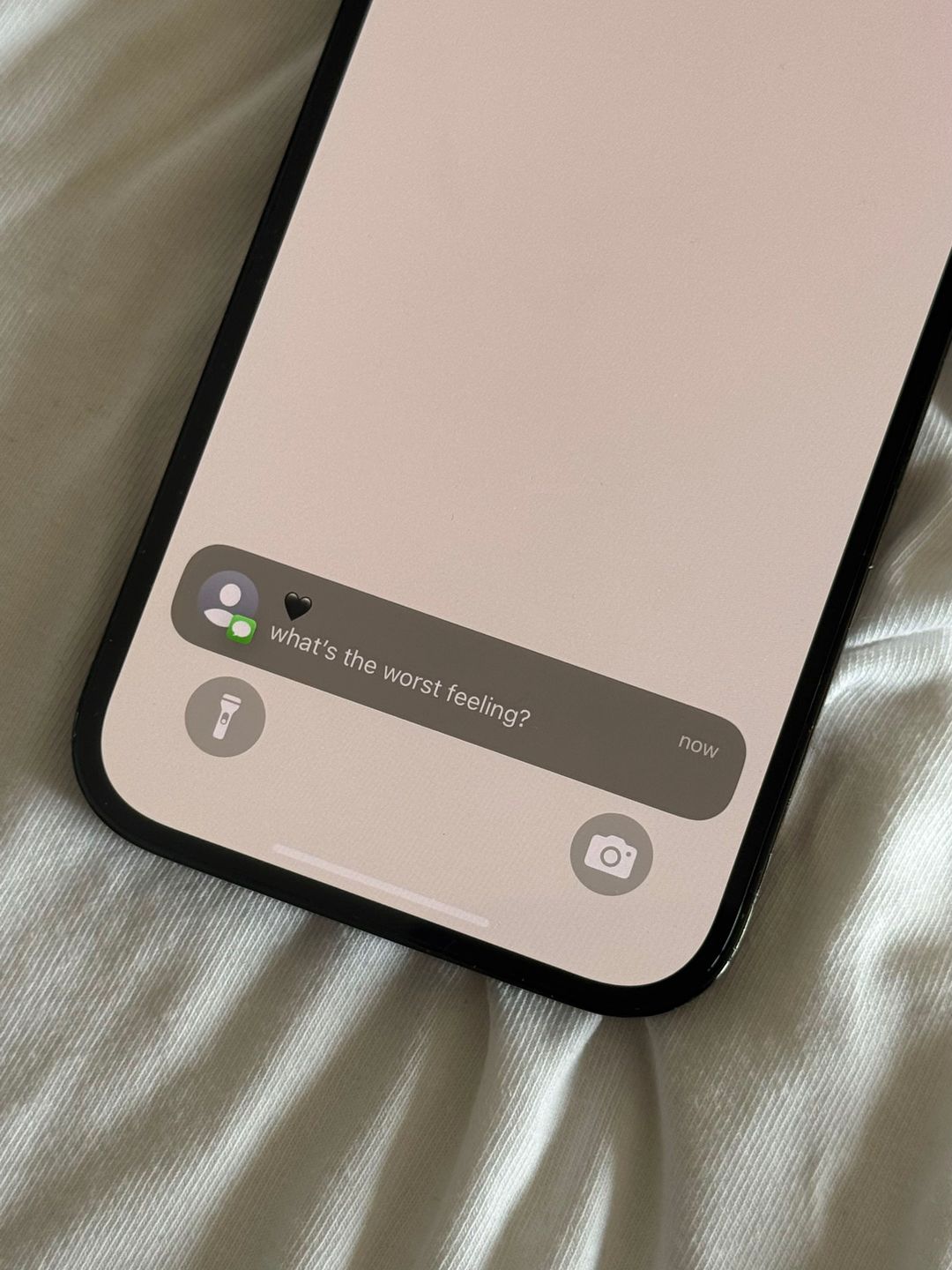
what's the worst feeling?
Visual
A close-up of an iPhone screen displaying a notification on a soft, white, wrinkled bedsheet background.
@thesadnessbook carousel breakdown
thesadnessbook
i met you when i was not looking for you, and i lost you when i loved you the most #sadquotes #thesadnessbook #journaling #journalprompts #MentalHealth
Effectiveness score
9/10
Views
5.2M
Likes
448.8K
Saves
83.4K
Engagement
10.9%
Hook
what's the worst feeling?
Goal
sell
Offer
product
CTA
none
Caption
i met you when i was not looking for you, and i lost you when i loved you the most #sadquotes #thesadnessbook #journaling #journalprompts #MentalHealth
Strategic Summary
The carousel goes viral by weaponizing the universal 'sadness' identity. Slide 1 uses a UI-pattern interrupt (phone notification) to trigger a visceral reaction, while Slide 3 provides the 'answer' in the form of a handwritten trauma journal entry that serves as a mirror for the audience's hidden heartbreak. The high bookmark rate (2.7x norm) indicates this post functions as an identity anchor that users save to revisit or signal their emotional state, rather than discuss publicly.
The Winning Formula
Intimate bedroom aesthetic + universal pain question + raw handwritten resolution.
What's working
- •Slide 1 mimics an iOS notification — a visual pattern the brain is hardwired to check, creating an instant scroll-stop without feeling like an 'ad'.
- •Slide 3 pairs a directive ('write about your trauma') with a poetic paradox ('lost you when loved most') that validates the complexity of the audience's pain, driving the massive save rate.
- •The transition from digital (Slide 1) to physical (Slide 2/3) grounds the emotion in a tangible object (the book), suggesting the product is the vessel for healing.
What's not working
- •The low comment rate (0.02%) suggests the carousel discourages conversation. The vibe is so internal and safe that users prefer to lurk and save rather than risk breaking the spell with a comment.
- •Slide 2 is purely a branding shot; while necessary for authority, it creates a narrative dip in energy before the payoff on Slide 3. A micro-copy teaser on the cover could retain attention.
Viral lesson
High-emotion content drives 'silent resonance' (bookmarks) when it articulates a feeling the audience shares but hasn't expressed yet — users save it because they want to feel understood without having to explain it.
Can a small creator replicate this? Any niche creator can use this by pairing an 'open loop' question with a handwritten note in a personal context (e.g., a chef's handwritten recipe for 'comfort food')
Structural Formula (steal-the-format)
Structure pattern
3-slide sequence: Digital hook (Question) → Physical product (Title) → Value/Emotion (Handwritten resolution).
Copy formula
Direct question hook + Product noun phrase + Imperative instruction ('write') followed by a handwritten paradox.
What to swap (concrete remixes)
- •For a 'Gratitude' niche: Swap question to 'What made you smile today?' and handwritten note to 'I lost my mind but found myself in the chaos.'
- •For a 'Parenting' niche: Swap question to 'What's the hardest part of raising you?' and note to 'I loved you before I knew you, and I worry for you more than myself.'
What NOT to copy
Do not copy the low-comment engagement profile; if you need community building, you must explicitly prompt it in the caption or final slide. This model relies on volume of shares/saves, not conversation.
Aesthetics
Soft, intimate bedroom-core with cream tones, wrinkled linen textures, and a mix of serif and handwritten typography.
Color palette
What it conveys: The aesthetic feels safe, solitary, and gentle, signaling to the audience that this is a judgment-free space for processing grief.
Slide-by-slide forensics
1hookclose upCuriosityworks:yesgrab:90/100aesthetic:85/100what's the worst feeling? now
what's the worst feeling? now
Visual description
Close-up of an iPhone screen lying on white, wrinkled sheets. The screen displays an iOS-style notification with a generic avatar and a black heart emoji.
Scene setting
Intimate bedroom setting
Visible objects
vs prior slide
Style: Maintains the wrinkled sheet background seen in subsequent slides.
Story: Sets up the open loop of 'the worst feeling' without context.
Predicted audience reaction
Users pause because the UI mimics a real notification, triggering an instinct to read the text about an emotional trigger.
Verdict: It acts as a perfect pattern interrupt by hijacking the brain's notification-checking habit while delivering an emotional hook.
2proofflat layCalmworks:partialgrab:70/100aesthetic:95/100The Sadness Book
The Sadness Book
Visual description
A minimalist cream-colored book lying on the same white wrinkled sheets. The cover features elegant serif typography.
Scene setting
Intimate bedroom setting
Visible objects
Products on screen
vs prior slide
Style: Continues the cream/white palette and wrinkled sheet texture from Slide 1.
Story: Introduces the product as the container for the emotion raised in Slide 1.
Predicted audience reaction
Audience recognizes the title and understands the brand is the authority on this specific sadness niche.
Verdict: It establishes brand authority but serves as a 'bridge' slide where user momentum typically dips before the final payoff.
3payoffclose upValidationworks:yesgrab:95/100aesthetic:95/100write about your trauma. i met you when i was not looking for you, and i lost you when i loved you the most.
write about your trauma. i met you when i was not looking for you, and i lost you when i loved you the most.
Visual description
The book is open to a blank page with handwritten text. The handwriting looks real and personal, adding to the authenticity. The lighting is soft and natural.
Scene setting
Intimate bedroom setting
Visible objects
vs prior slide
Style: Matches the muted lighting and cream paper tones of Slide 2.
Story: Reveals the 'worst feeling' from Slide 1 via a poetic contradiction about love and loss.
Predicted audience reaction
Massive save rate; users feel personally targeted by the quote and save the image as a relatable memento.
Verdict: The handwritten style makes the sentiment feel raw and unpolished, which resonates deeply with an audience seeking authenticity in trauma sharing.
Commerce intent
Mentioned products
Comment ethnography
A shared community of people who find comfort in 'safe sadness'; they bond over the specific pain of loving someone who is gone, rather than debating the content.
Comments that characterize the audience
- "This is me in a nutshell."
- "I'm saving this for later."
- "Sending this to my ex."
Pain points revealed
- •Heartbreak
- •Grief
- •Unrequited love
- •Emotional numbness
Aspirations revealed
- •To be understood without explanation
- •To find a healthy outlet for trauma
Diagnostics
Hook deep-dive
what's the worst feeling? now
The audience swipes because they have a visceral answer to the question in their head and want to see if the creator's answer aligns with their pain.
Engagement read
The anomaly is the massive bookmark rate (1.60% vs 0.60% norm) coupled with a low comment rate, indicating 'silent resonance' where users identify with the content too deeply to discuss it publicly.
Mechanics
The shift from a digital hook (question) to a physical reveal (handwritten answer) creates a sense of intimacy that rewards the swipe.
Brand & funnel
Brands visible
Buying-journey moment: Awareness: The viewer realizes there is a product dedicated entirely to the emotion they are currently suppressing.
Ideal Customer Profile
young adults navigating heartbreak, emotional trauma, and the desire for self-reflection through journaling.
Age
18-24
Gender
female
Readability
simple
Interests
Pain Points
Aspirations
Emotional Profile
Primary Emotion
validationIntensity
Effectiveness
Emotions Evoked
Emotional Arc
starts with a provocative question, introduces the solution, and ends with a deeply relatable, cathartic statement.
Why It Lands
It validates the viewer's pain by articulating a specific, painful truth, creating an immediate emotional bond between the viewer and the brand.
Writing Analysis
Style
confessional
Tone
vulnerable
Hook Type
question
Quality
The writing is sparse, poetic, and highly resonant. It uses simple language to convey complex, heavy emotions, making it highly shareable.
Effectiveness
Goal Achievement
The high number of bookmarks and shares indicates the content is highly effective at positioning the product as a must-have for the target demographic.
Why It Spread
extreme relatability
aesthetic appeal
low barrier to entry for engagement
Content DNA
There is no explicit CTA, but the content itself acts as a soft sell by demonstrating the product's value in processing emotions.
Narrative Arc
The flow moves from a universal question to a specific product, then to a deeply emotional example of how to use that product, creating a perfect loop of curiosity and satisfaction.
Psychological Blueprint
Why It Spread
The content taps into a universal, painful human experience—heartbreak—and offers a tangible, aesthetic way to process it. By framing the product as a tool for 'trauma,' it moves from a simple journal to an essential emotional companion. The low-friction, high-emotion format encourages immediate sharing as a form of self-expression.
Framework
PASPrimary Tactic
validationTactics Used
curiosity-gap (slide 1)
identity-signaling (slide 2)
validation (slide 3)
Cognitive Biases
barnum effect (vague enough to apply to many)
negativity bias (focus on loss)
Tribal Markers
Trust Signals
Slide Breakdown (3 analyzed)
Text
what's the worst feeling?
Visual
A close-up of an iPhone screen displaying a notification on a soft, white, wrinkled bedsheet background.
Visual Elements
Color Palette
Copy Analysis
Power Words
Open Loop: yes - it asks a question that requires the next slide to answer.
Visual Psychology
Attention: the notification bubble
Emotional cue: the intimacy of a phone on a bed
Composition: to create a sense of personal, private interaction
Text
The Sadness Book
Visual
The cover of a minimalist book resting on white bedsheets.
Visual Elements
Color Palette
Copy Analysis
Power Words
Open Loop: yes - introduces the product as the answer to the question.
Visual Psychology
Attention: the book title
Emotional cue: the clean, calm aesthetic
Composition: to establish the brand identity
Text
write about your trauma. i met you when i was not looking for you, and i lost you when i loved you the most.
Visual
An open page of the book with handwritten text on white paper.
Visual Elements
Color Palette
Copy Analysis
Power Words
Open Loop: no - provides the emotional payoff.
Visual Psychology
Attention: the handwritten text
Emotional cue: the raw, personal nature of handwriting
Composition: to provide catharsis and demonstrate product value
Comment Intelligence
Sentiment
PositiveResonance
Intent
sell
Audience Vibe
The comments are deeply personal, with users sharing their own stories of heartbreak and tagging friends who need to see the post.
Standout Quotes
“this hit too close to home”
“i need this book”
“why did i read this while eating lunch”