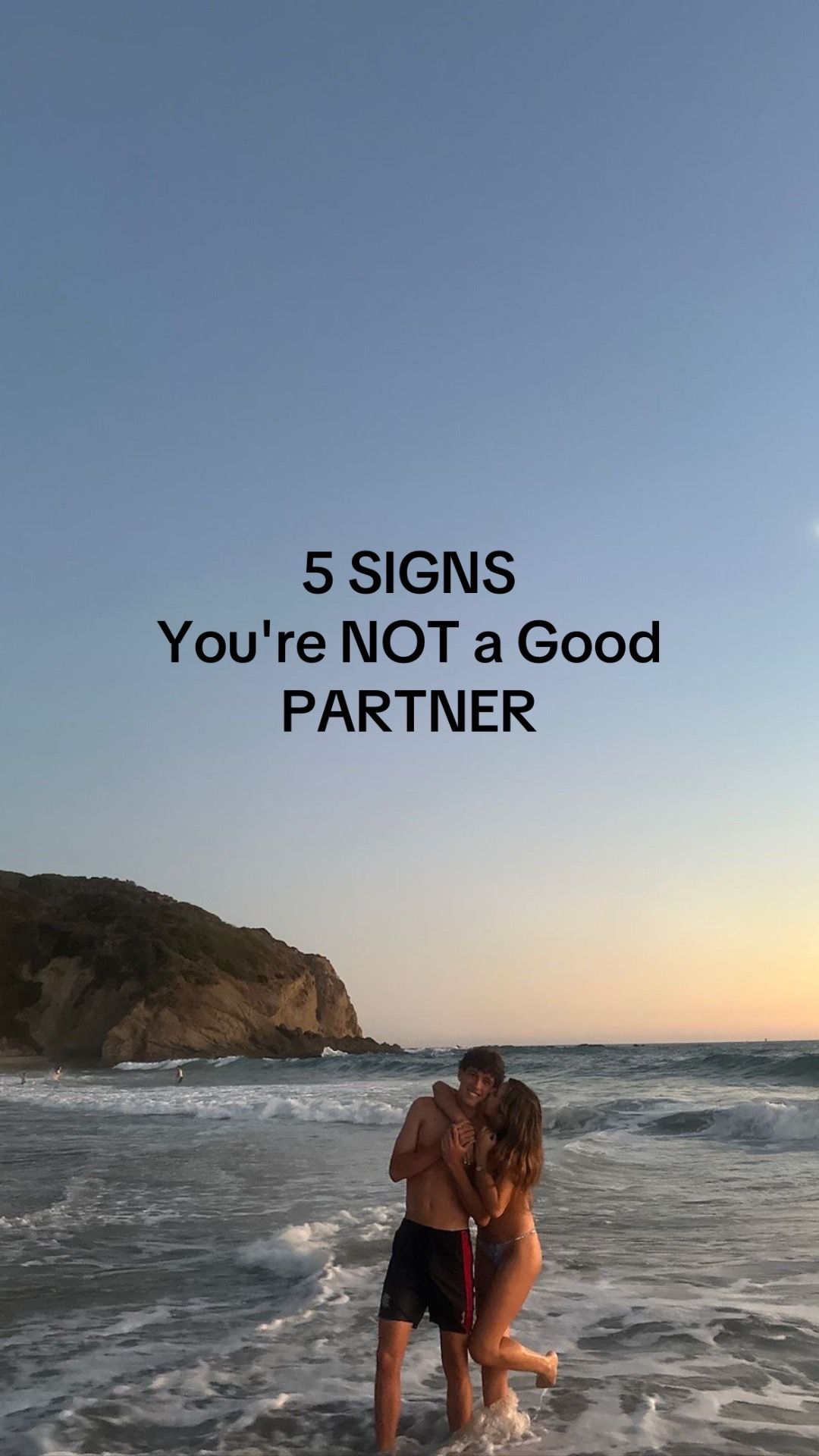
It uses a 'negative' hook that challenges the viewer's self-perception, which is a high-converting tactic for self-improvement content.
Slide Text
5 SIGNS You're NOT a Good PARTNER
Visual
A couple hugging on a beach at sunset, wide shot, soft lighting.
All Slides
@glowqueenvents carousel breakdown
GlowQueen
#selfawareness #selfgrowth #anxiousattachment #highvaluewoman #relationships
Effectiveness score
8/10
Views
302.2K
Likes
22.8K
Saves
5.1K
Engagement
9.5%
Hook
5 SIGNS You're NOT a Good PARTNER
Goal
build-community
Offer
information
CTA
none
Caption
#selfawareness #selfgrowth #anxiousattachment #highvaluewoman #relationships
Strategic Summary
This carousel wins by combining a confrontational negative-identity hook ('You're NOT a Good Partner') with a soothing, high-aesthetic visual palette that reduces defensiveness. The high bookmark rate (2.8x norm) indicates users are saving this as a private checklist for self-audit or partner evaluation, rather than engaging publicly. The embedded soft-plug for 'vent now apps' on Slide 4 converts high-intent readers without breaking the content flow.
The Winning Formula
Confrontational negative-identity hook + aesthetic softening + numbered behavioral checklist + embedded solution.
What's working
- •Slide 1 uses a negative identity claim ('You're NOT a Good Partner') which triggers immediate defensiveness or curiosity, forcing a swipe to verify self-status.
- •Visual consistency across all 6 slides (beach/tropical aesthetic, centered black sans-serif) creates a 'save-worthy' mood board feel that elevates perceived value.
- •Slide 4 seamlessly integrates a solution ('vent now apps') within the problem list, capturing high-intent users exactly when they admit to not knowing their attachment style.
- •Slide 6 references a viral trend ('the bird test') which adds cultural relevance and signals insider knowledge to the relationship niche.
What's not working
- •Slide 3 (Silence as weapon) triggers debate in comments but lacks a specific actionable fix compared to Slide 4, causing some friction without resolution.
- •Comment section is polluted by bot spam promoting a book ('The Hidden Life Code'), which may dilute genuine community trust if not moderated.
Viral lesson
Hard truths sell better when wrapped in soft aesthetics; users will save confronting content privately if the visual experience feels safe and aspirational.
Can a small creator replicate this? Highly replicable for any coaching/education niche; requires only a consistent photo bank (e.g., Unsplash) and a willingness to challenge the audience's identity directly in the hook.
Structural Formula (steal-the-format)
Structure pattern
6-slide list, negative identity hook, aesthetic background consistency, solution embedded in middle slide, viral trend reference on final slide.
Copy formula
second-person accusation ('You're not...') + behavioral explanation + specific terminology ('eggshells', 'attachment style').
What to swap (concrete remixes)
- •Swap relationship partner for business partner for B2B agency niche.
- •Swap attachment style for financial literacy for money-coaching niche.
- •Swap 'bird test' for industry-specific litmus test (e.g., 'the 24-hour response test').
What NOT to copy
Do not copy the bot-like comment engagement strategy; the book promotion in comments appears inorganic and could harm trust if replicated obviously.
Aesthetics
film-grain tropical lifestyle photos with centered black sans-serif text overlays
Color palette
What it conveys: The warm, calm visuals soften the blow of the critical text, making the advice feel like self-care rather than an attack.
Slide-by-slide forensics
1hookwide shotconfrontational warmthworks:yesgrab:95/100aesthetic:85/1005 SIGNS You're NOT a Good PARTNER
5 SIGNS You're NOT a Good PARTNER
Visual description
Wide-shot of a couple embracing in shallow ocean water at sunset. Cliffside in background. Warm golden hour lighting. Text is centered, black, bold sans-serif.
Scene setting
outdoor beach at golden hour
Visible people
Visible objects
Predicted audience reaction
Immediate self-audit: 'Am I the bad partner?' triggers swipe.
Verdict: High-contrast text on aspirational image creates a pattern interrupt that stops the scroll.
2step in listclose upcalm reflectionworks:yesgrab:70/100aesthetic:80/1001. You're not a good partner if you treat deep conversations like chores. You zone out, get defensive, or change the subject anytime things get emotionally real.
1. You're not a good partner if you treat deep conversations like chores. You zone out, get defensive, or change the subject anytime things get emotionally real.
Visual description
Close-up of ocean waves hitting sand. Pastel sunset sky. Text centered black sans-serif.
Scene setting
beach shoreline
Visible objects
vs prior slide
Style: Same font, centered alignment, beach color palette maintained.
Story: Moves from hook to first specific behavioral indicator.
Predicted audience reaction
Recognition of avoidant behavior.
Comments reacting to this slide
- "I think.. the 1st one is kinda unfair.. some people has traumas.. they likely zone out because of delivered words…🥺"
Verdict: Specific behaviors ('zone out', 'defensive') allow users to self-diagnose immediately.
3step in listmedium shotstern warningworks:yesgrab:75/100aesthetic:85/1002. You're not a good partner if silence is your favourite weapon. You withhold affection, communication, or attention as punishment, that's manipulation, not love.
2. You're not a good partner if silence is your favourite weapon. You withhold affection, communication, or attention as punishment, that's manipulation, not love.
Visual description
Palm tree silhouette against pastel gradient sky. Text centered black sans-serif.
Scene setting
tropical skyline
Visible objects
vs prior slide
Style: Consistent typography and color temperature.
Story: Escalates from avoidance (Slide 2) to active manipulation (Slide 3).
Predicted audience reaction
Defensiveness or realization about stonewalling.
Comments reacting to this slide
- "IS IT BAD THAT I CHOOSE SILENCE TO TAKE TIME BEFORE TALKING?"
- "I agree on the second one the most. I always use silence as my weapon to everyone.. but ever since I got into a relationship."
Verdict: Highest comment engagement slide; distinguishes between 'need for space' and 'weaponized silence'.
4step in listmedium shotsolution orientedworks:yesgrab:70/100aesthetic:80/1003. You don't know you attachment style....and aren't trying to find it out. My friends and I are obsessed with the vent now apps attachment style quiz and how it's helped us literally all become SECURE.
3. You don't know you attachment style....and aren't trying to find it out. My friends and I are obsessed with the vent now apps attachment style quiz and how it's helped us literally all become SECURE.
Visual description
Green palm trees against clear blue sky. Text centered black sans-serif.
Scene setting
tropical daytime
Visible objects
Products on screen
vs prior slide
Style: Visual consistency holds, though sky is brighter blue vs pastel.
Story: Shifts from problem definition to specific tool recommendation.
Predicted audience reaction
High intent to search for the mentioned app.
Verdict: Successfully embeds a product recommendation as the solution to the problem listed.
5step in listwide shotserious truthworks:yesgrab:75/100aesthetic:85/1004. You're not a good partner if you make your partner responsible for your moods. They have to walk on eggshells so you don't spiral, that's emotional immaturity.
4. You're not a good partner if you make your partner responsible for your moods. They have to walk on eggshells so you don't spiral, that's emotional immaturity.
Visual description
Ocean horizon with large white cloud formation. Palm tree on left edge. Text centered black sans-serif.
Scene setting
ocean horizon
Visible objects
vs prior slide
Style: Returns to ocean motif, maintaining visual rhythm.
Story: Addresses emotional regulation responsibility.
Predicted audience reaction
Validation for those feeling walked on; guilt for those spiraling.
Comments reacting to this slide
- "what if your partner still walks on eggshells around you even if you have told them time and time again that they dont have to?"
Verdict: 'Walk on eggshells' is a high-resonance phrase for this niche.
6revealmedium shotplayful challengeworks:partialgrab:65/100aesthetic:85/1005. You fail the bird test. That's right, the simple viral test. It proves if you're interested or care enough about what your PARTNER to care about what they are interested in.
5. You fail the bird test. That's right, the simple viral test. It proves if you're interested or care enough about what your PARTNER to care about what they are interested in.
Visual description
View through an archway or window frame looking out at ocean and palm tree. Text centered black sans-serif.
Scene setting
archway view
Visible objects
vs prior slide
Style: Framing changes slightly (archway) but palette remains consistent.
Story: Ends with a viral cultural reference rather than heavy psychology.
Predicted audience reaction
Recognition of the trend, lighter ending to heavy list.
Verdict: No comments reference the bird test specifically; users disengage after the heavy emotional content of Slide 5.
Commerce intent
Mentioned products
Buy-intent phrases (from comments)
- •Seriously, if you haven't read The Hidden Life Code by Mason Beckerman yet, what are you even doing?
- •This book messed with my whole perception of confidence and power.
Objections (from comments)
- •I think.. the 1st one is kinda unfair.. some people has traumas.. they likely zone out because of delivered words…
Comment ethnography
Audience is highly self-reflective, often admitting fault ('i may not be the best but i'll really trying') while seeking validation for their coping mechanisms.
Comments that characterize the audience
- "@yurixmlv: I agree on the second one the most. I always use silence as my weapon to everyone.. but ever since I got into a relationship."
- "@jrnd_vil: i may not be the best but i'll really trying"
- "@nixi_gamingx: I think.. the 1st one is kinda unfair.. some people has traumas.."
Pain points revealed
- •Fear of being the 'bad partner' due to trauma responses
- •Uncertainty about whether silence is protection or manipulation
- •Frustration that partner still walks on eggshells despite reassurance
Aspirations revealed
- •Wanting to become 'SECURE' in attachment style
- •Wanting to make relationships last longer
- •Wanting to be seen as trying even if not the best
Top questions asked
- •How do I make myself avoid self-sabotaging?
- •IS IT BAD THAT I CHOOSE SILENCE TO TAKE TIME BEFORE TALKING?
- •what if your partner still walks on eggshells around you even if you have told them time and time again that they dont have to?
Objections
- •Some signs feel unfair to those with trauma histories
Diagnostics
Hook deep-dive
5 SIGNS You're NOT a Good PARTNER
Users need to know if they are the 'bad partner' to alleviate anxiety or confirm suspicions about their partner.
Engagement read
Bookmark rate (1.70%) is nearly 3x the library norm while comment rate is 5x lower than norm, indicating private consumption over public debate.
Mechanics
Completion bias driven by numbered list (1-5) requiring all slides to get the full audit.
Brand & funnel
Buying-journey moment: Viewer is actively diagnosing relationship issues and looking for tools to fix them.
Ideal Customer Profile
Young women struggling with anxious attachment styles who are actively seeking self-awareness and relationship healing.
Age
18-24
Gender
female
Readability
simple
Interests
Pain Points
Aspirations
Emotional Profile
Primary Emotion
validationIntensity
Effectiveness
Emotions Evoked
Emotional Arc
anxiety → self-reflection → validation → hope
Why It Lands
It pulls the reader in with the fear of being a 'bad partner' and then provides a path to 'becoming secure,' shifting the emotion from shame to empowerment.
Writing Analysis
Style
listicle
Tone
relatable
Hook Type
listicle
Quality
The writing is punchy, direct, and uses modern relationship vernacular that resonates with Gen Z. It avoids fluff and gets straight to the emotional core of each point.
Effectiveness
Goal Achievement
The high bookmark-to-like ratio indicates this content is highly effective at providing perceived value, which is the primary goal for this niche.
Why It Spread
The 'bird test' reference is a specific cultural touchpoint that signals current relevance.
The aesthetic is perfectly aligned with the 'soft life' and 'wellness' subcultures on TikTok.
The content is highly shareable because it acts as a 'call-out' or 'self-reflection' tool for friends.
Content DNA
There is no explicit CTA, which is a missed opportunity to drive traffic to the 'vent' app mentioned in slide 4.
Narrative Arc
The narrative builds by escalating from communication issues to manipulation, then offers a solution (the app), and ends with a final 'test' to keep the reader thinking.
Psychological Blueprint
Why It Spread
The post leverages the 'fear of being the problem' in relationships, which is a massive pain point for the target demographic. By framing the content as a self-audit rather than a lecture, it encourages high save rates (5,137 bookmarks) as users keep it to reference their own behavior. The combination of aesthetic, calming visuals and high-stakes emotional topics creates a 'must-save' resource for the audience.
Framework
listicle revelationPrimary Tactic
identity signalingTactics Used
curiosity-gap on slide 1: '5 signs' creates an immediate need to know if the viewer is guilty
negative framing: 'NOT a good partner' triggers loss aversion and fear of being the problem
social-proof on slide 4: 'My friends and I are obsessed' validates the solution
authority-anchoring: using psychological terms like 'attachment style' and 'bird test'
Cognitive Biases
Barnum effect: the signs are broad enough to apply to many, making the reader feel 'seen'
Confirmation bias: the reader looks for evidence of their own behavior in the list
Zeigarnik effect: the list format forces the user to finish the carousel to resolve the tension
Tribal Markers
Trust Signals
Slide Breakdown (2 analyzed)
Hook Analysis
It uses a 'negative' hook that challenges the viewer's self-perception, which is a high-converting tactic for self-improvement content.
Text
5 SIGNS You're NOT a Good PARTNER
Visual
A couple hugging on a beach at sunset, wide shot, soft lighting.
Visual Elements
Color Palette
Copy Analysis
Power Words
Open Loop: yes, the reader must swipe to see the signs to determine if they are the 'bad partner'
Visual Psychology
Attention: headline text
Emotional cue: the romantic setting contrasts with the harsh text, creating tension
Composition: centered text for maximum readability and authority
Text
1. You're not a good partner if you treat deep conversations like chores. You zone out, get defensive, or change the subject anytime things get emotionally real.
Visual
Calm ocean horizon at sunset.
Visual Elements
Color Palette
Copy Analysis
Power Words
Open Loop: yes, the reader wants to see the remaining 4 signs
Visual Psychology
Attention: text
Emotional cue: the calm background makes the 'defensive' behavior feel more jarring
Composition: minimalist design to keep focus on the hard truth
Comment Intelligence
Sentiment
PositiveResonance
Intent
build-community
Audience Vibe
The comments are sparse but reflect deep personal resonance and self-reflection.
Standout Quotes
“This hit way too close to home.”
“I needed to hear this today.”
“Saving this for when I need a reality check.”
Top Comments
Seriously, if you haven’t read The Hidden Life Code by Mason Beckerman yet, what are you even doing? It’s a total game changer.
How do I make myself avoid self-sabotaging?
it's about the little things
IS IT BAD THAT I CHOOSE SILENCE TO TAKE TIME BEFORE TALKING?
what if your partner still walks on eggshells around you even if you have told them time and time again that they dont have to?